On 20 February 1894, the Dutch colonial government in Batavia saw the indigenous Sasak rebellion on the island of Lombok against their Balinese masters as an opportunity to extend their control in the East Indies. The Sasak had requested their support and the Dutch began to disrupt the importation of weapons and supplies by the Balinese. This blockade proved insufficient, and the Dutch demand for Balinese submission was rejected.
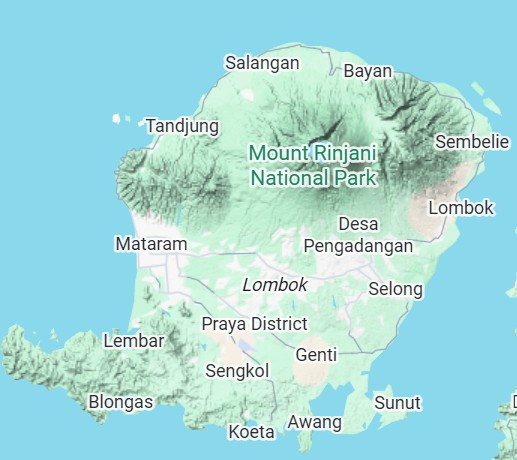
In July 1894, the Dutch sent a military expedition to topple the Balinese ruler on Lombok. Three ships were sent from Batavia, transporting 107 officers, 1,320 Dutch soldiers, 948 local soldiers, and 386 horses to Mataram, where they established a military camp near the Mayura Palace in Cakranegara. In August 1894, the Balinese made a surprise nighttime attack on the Dutch army camp, killing more than 500 soldiers, sailors and coolies. Included among the dead was General van Ham, commander of the expedition.
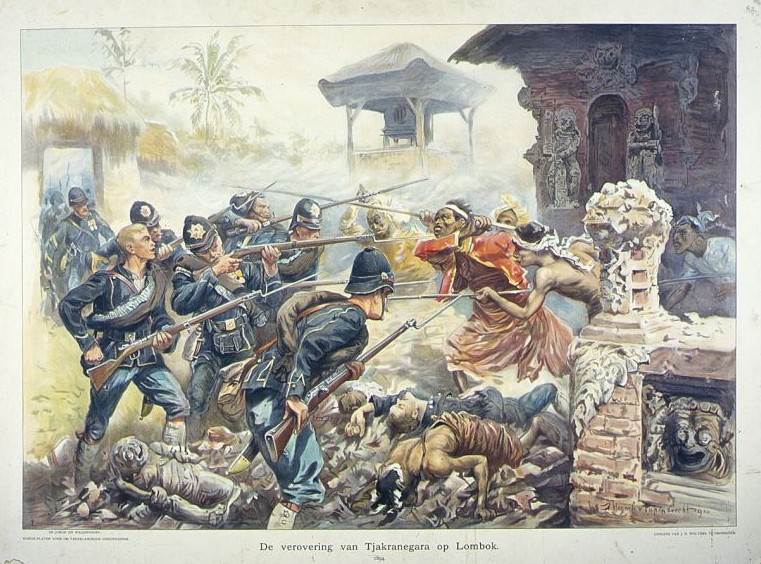
On 8 November 1894, the Dutch returned with reinforcements and made systematic artillery bombardments on the Balinese positions. After a protracted war, marked by dogged Balinese resistance and heavy casualties, the King’s Palace at Cakranegara was captured on 19 November 1894. There followed a massive act of colonial looting, in which the victorious troops ransacked almost a quarter of a tonne of gold, over seven tonnes of silver, and innumerable precious jewels from the Palace. These valuable artifacts were taken to the Netherlands, and stored in the collections of the Rijksmuseum, the Museum Volkenkunde Leiden and the Wereldmuseum Rotterdam.

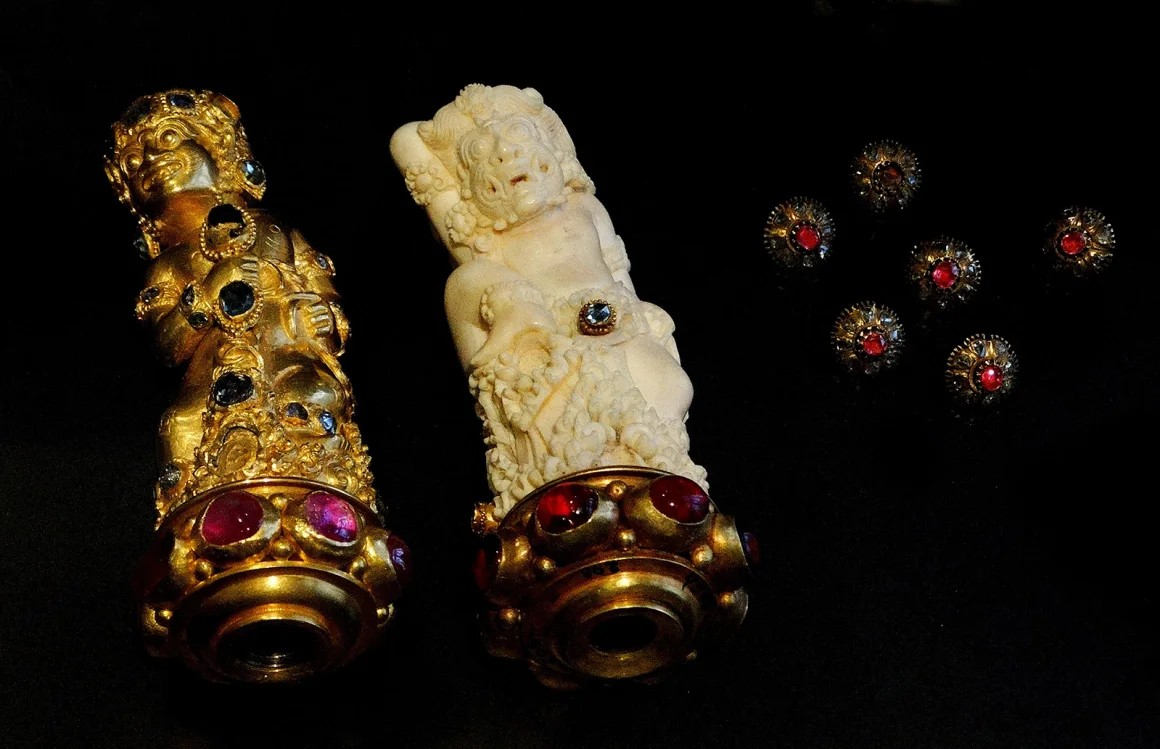
The Lombok royal treasure, seized by the Dutch, included 230 kg of gold, 7,000 kg of silver, and many items of jewellery, the most famous being a 75-carat diamond. This 21 x 19mm diamond is set in a case decorated with flower and leaf motifs, and has been described by Dutch historian Iwald Vanvugt as the largest sparkling stone in the world.
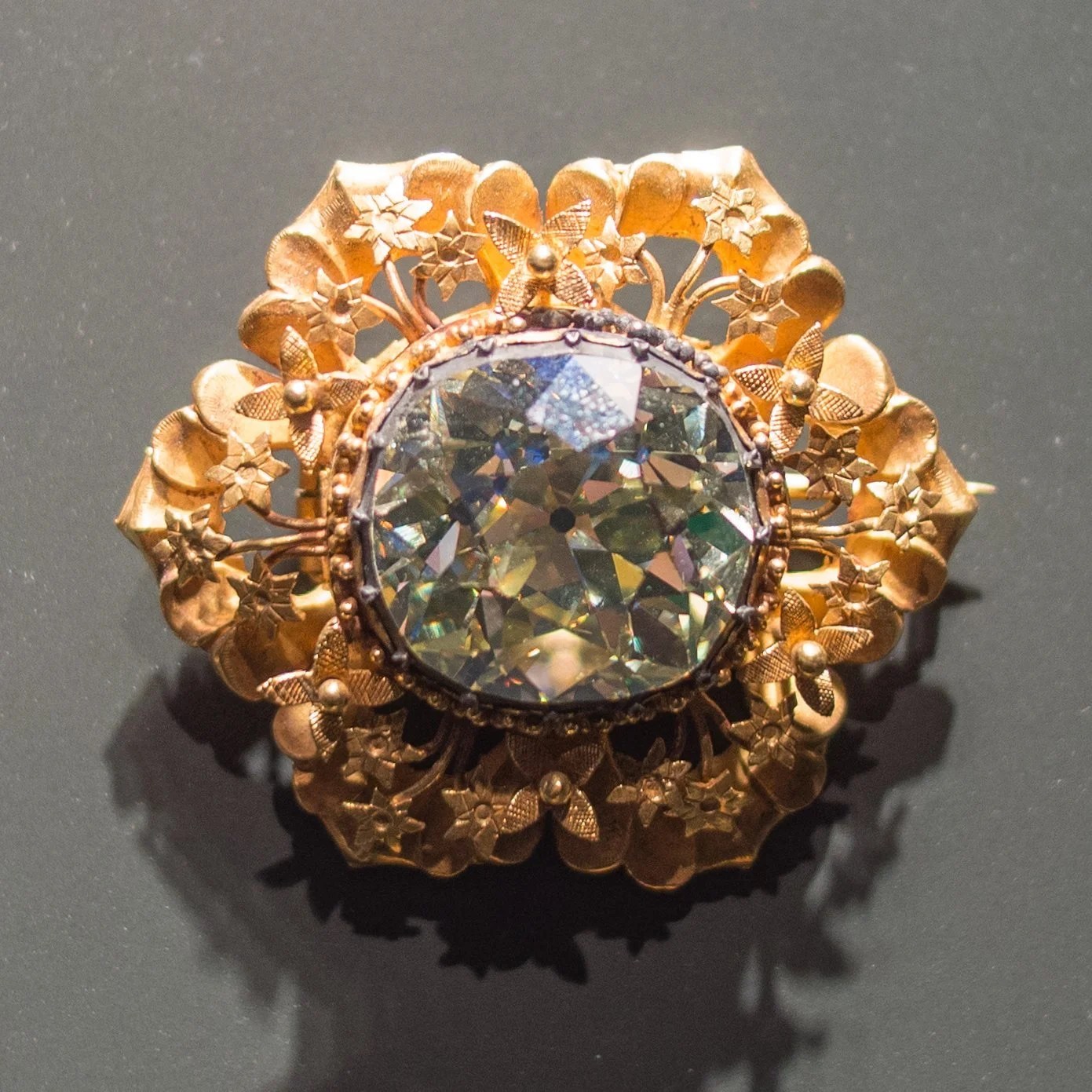
Following numerous requests from the government of Indonesia for the return of cultural objects, a 2020 report by an advisory committee urged the Dutch government to return looted cultural artefacts if requested by their countries of origin. “This is a historic moment,” said Gunay Uslu, the Dutch state secretary for culture and media in 2022. “It’s the first time we’re following recommendations of the committee to give back objects that should never have been brought to the Netherlands.”
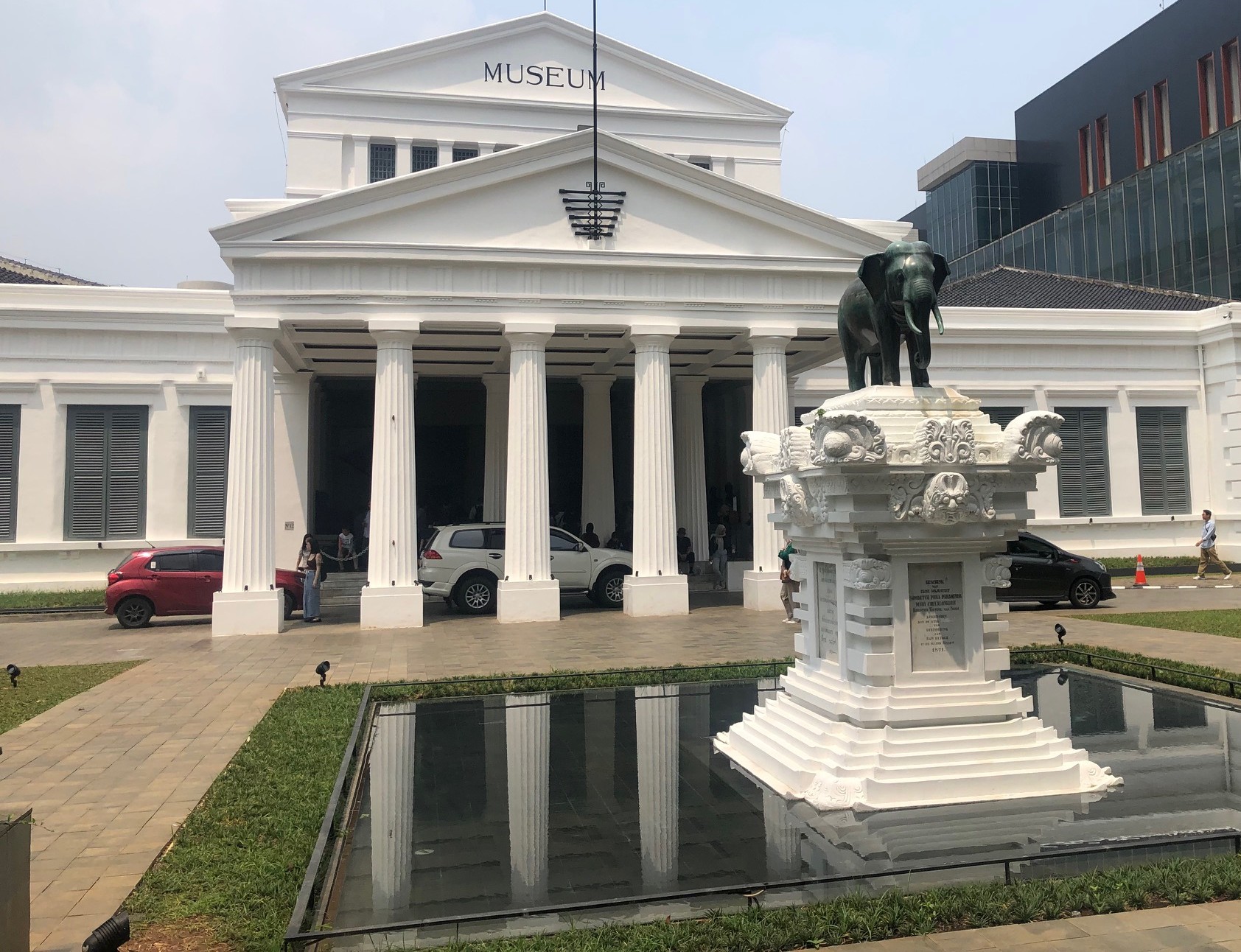
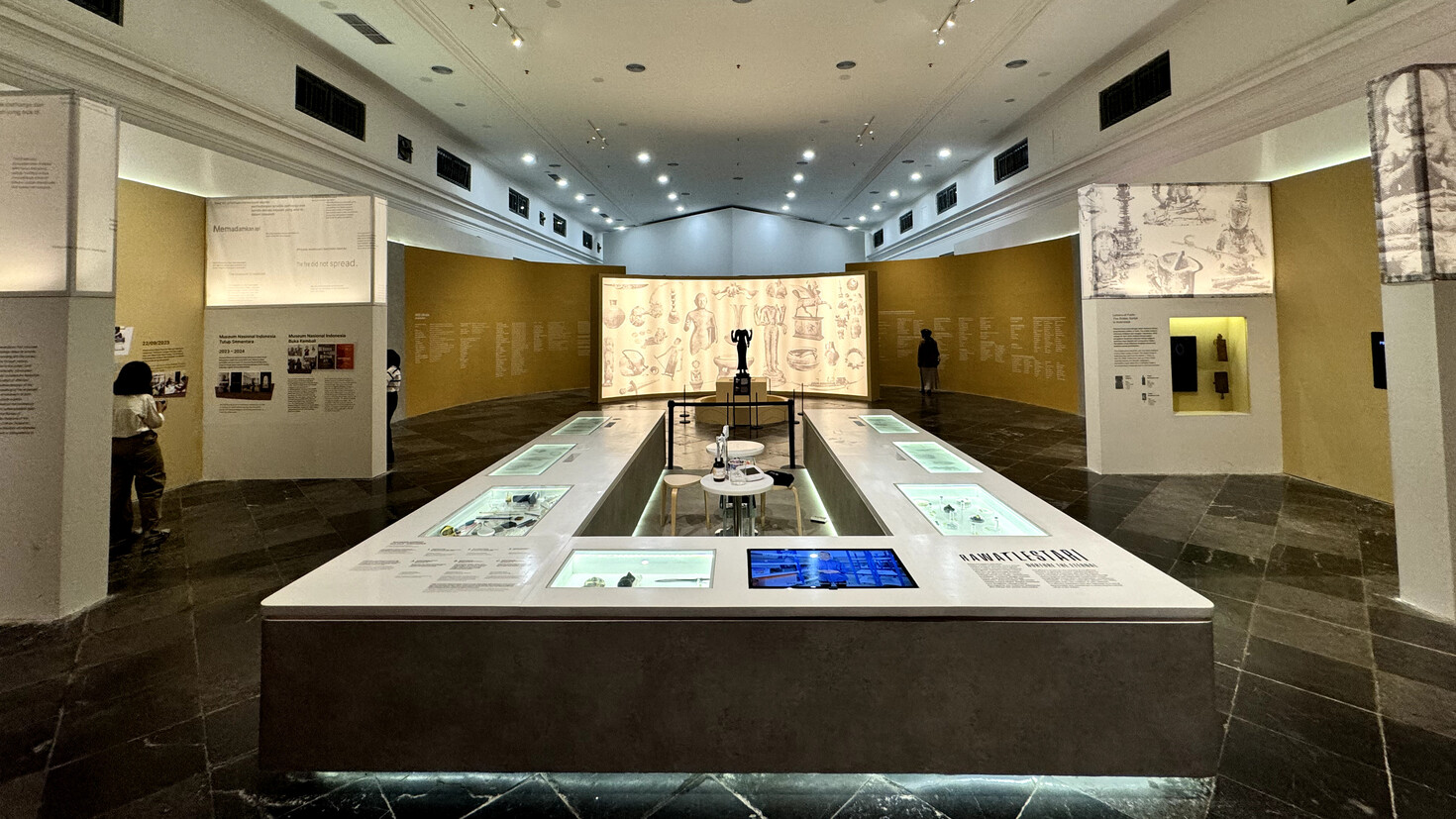
After being partly destroyed by fire, the National Museum of Indonesia reopened to the public in 2024 with an exhibition of looted heritage, including the cache of jewels known as the “Lombok treasure”, which was returned by the Netherlands in July 2023. The exhibition titled Repatriation Exhibition allows “the community to reunite with the inheritance of our ancestors and receive the treasure of their knowledge.”


 spiceislandsblog