‘East Indies’ goes to press

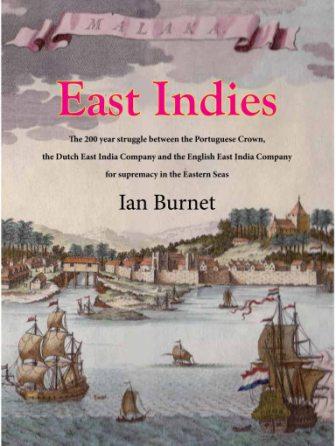
Rosenberg_EastIndiesFrontCover31May-1 - Copy - CopyAfter 5 years of research, writing and rewriting, the next book ‘East Indies’ has gone to the printers and is due back towards the end of August. It is in the same hardcover format as ‘Spice Islands’ with 224 pages and 70 colour images.

Rosenberg Publishing have done another great job with the layout and design, and I can’t wait to hold the first copy in my hand. Here is what it is all about:

East Indies

In 1497 Vasco da Gama rounded the Cape of Good Hope, his small Portuguese fleet reached India and became the first Europeans to sail the Eastern Seas. Over the next 100 years the Portuguese spread their trading network in search of spices, sandalwood, silks, gold, silver porcelains and other oriental goods. This trading network extended from Goa in India as far east as the Moluccas and Timor in Indonesia, and as far north as China and Japan.

In 1595 and 1601 respectively, the first Dutch and English trading expeditiions rounded the Cape of Good Hope and the trading monopoly of the Portuguese Crown was being challenged by the Dutch East India Company and then the English East India Company, the world’s first joint stock and multi-national trading companies.

For the next 200 years the struggle for trade supremacy between the Portuguese, the Dutch, and the English ranged across the Eastern Seas and in the settlements of Goa, Malacca, Ambon, Macao,Canton, Nagasaki, Batavia, Macassar, Johor and Singapore. Until by the end of the 19th century the Portuguese had almost vanished from the Eastern Seas, and the Dutch and English East India Companies had been transformed from trading companies into colonial powers ruling vast territories in Indonesia, India and Malaya.

This book follows the trade winds, the trade routes and the port cities across the East Indies and the Orient. Beginning in Malacca which was one of the world’s largest trading ports in the 16th century and finishing with the founding of Singapore and Hong Kong which became some of the world’s largest trading ports in the 19th century.

For more information about the book please go to http://www.ianburnetbooks.com

Posted in Uncategorized | Tagged , , , , , , , , , , , , , , , | 1 Comment

Spice Discovery 2013 — your ‘Voyage of a Lifetime’

News Slideshow #6

SeaTrek wins National Geographic “50 Tours of a Lifetime” award

The SeaTrek team is delighted that National Geographic Traveler has selected one of our adventure cruises to include in their “50 Tours of a Lifetime” featured in their May 2013 issue.

This important award comes to us after also having been recognized by The Active Times for providing one of “The best 30 new adventure travel trips of 2013”

We are happy to see the Indonesian archipelago and its many treasures recognized so vividly, and are proud to be the one bringing these adventures to your doorstep. Leveraging on our 25 year long history in the archipelago, SeaTrek continues to pioneer new expedition opportunities.

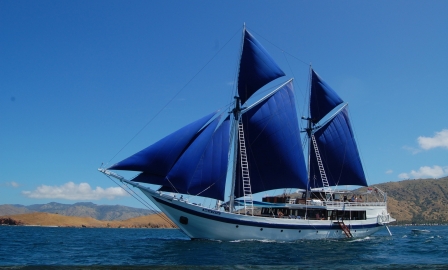
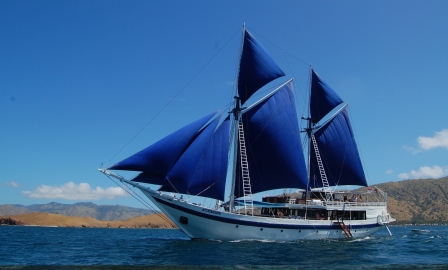
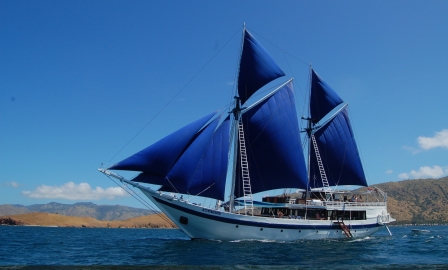
Our company offers exclusive small group cruises, many of which are led by renowned experts in their field, offering strong and targeted cultural as well as naturalist content. SeaTrek sails traditionally built ironwood motor sailing schooners providing timeless accommodation from which you will immerse yourself in our nomadic journeys of discovery and adventure.

Come choose your own tour of a life time!

We hope you choose to join Ian Burnet for the Spice Discovery sailing adventure on the Ombak Putih for 12 days from October 24 until November 4, 2013. Details are at http://www.ianburnetbooks.com and the SeaTrek website at http://www.seatrekbali.com


News Slideshow #3

Expert lectures in the Main Cabin on the fascinating history of the legendary Spice Islands

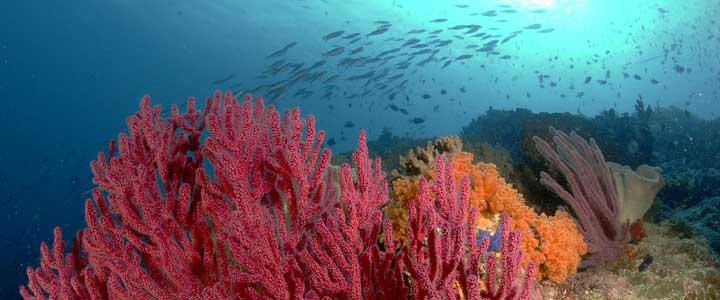
Snorkeling in the pristine waters of the Banda Sea

News Slideshow #2


Posted in Uncategorized | Tagged , , , , , , , , , , , , , | Leave a comment

Spice Islands Sailing Adventure 2012 – Herbies TV

Image

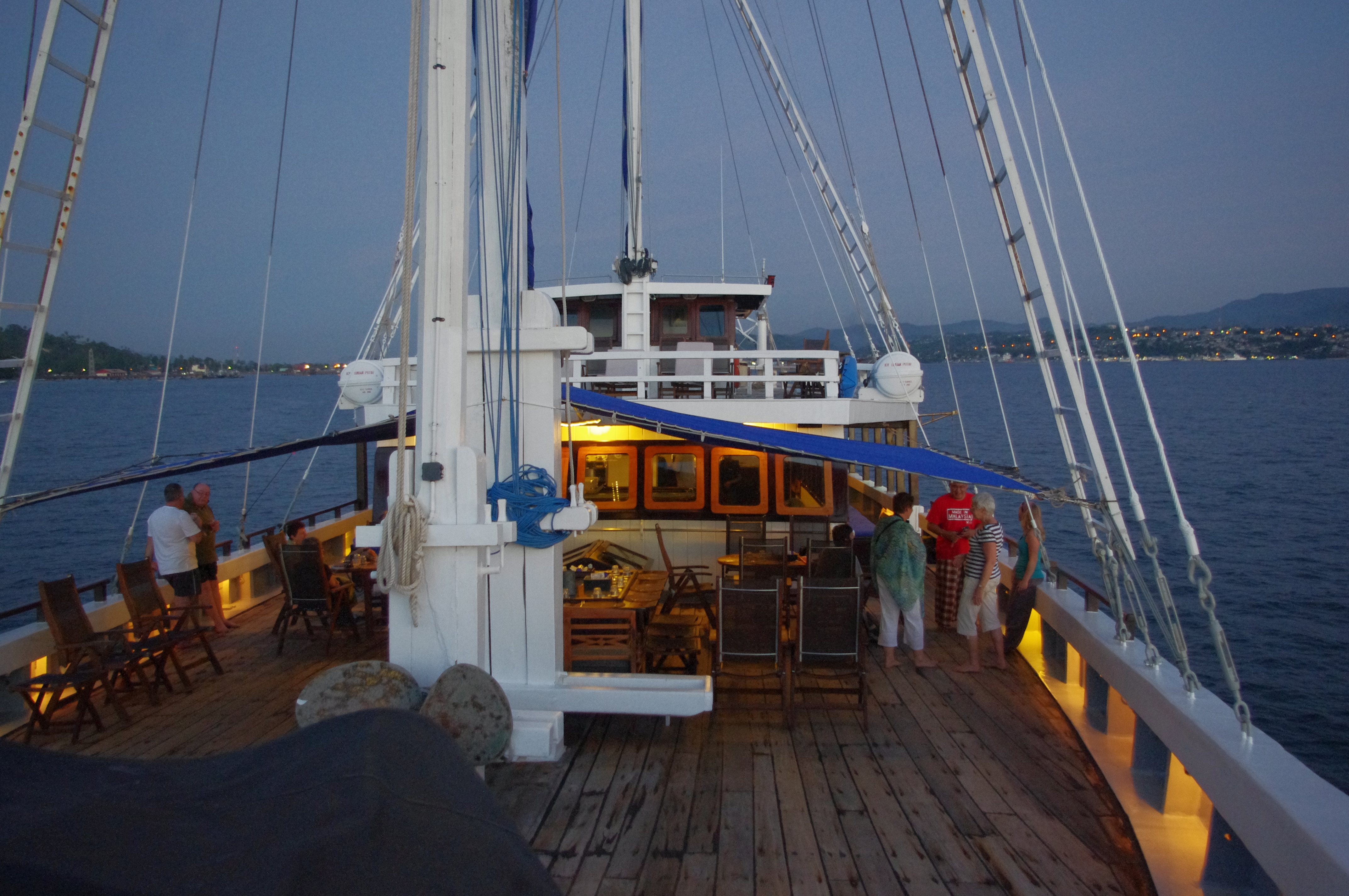
In November 2012, ‘Herbie’ and Liz Hemphill the owners of Herbie’s Spices and Ian Burnet the author of the book Spice Islands, together with 20 other like minded individuals voyaged around Maluku and the Spice Islands of the Indonesian archipelago on the vessel Ombak Putih for 12 days.

Image

Nutmeg originally only grew on the remote Banda Islands and here we visit the nutmeg plantations. ‘Herbie’ describes how nutmeg and mace are  grown and harvested, and Ian Burnet explains about the history of the spice trade.

Image

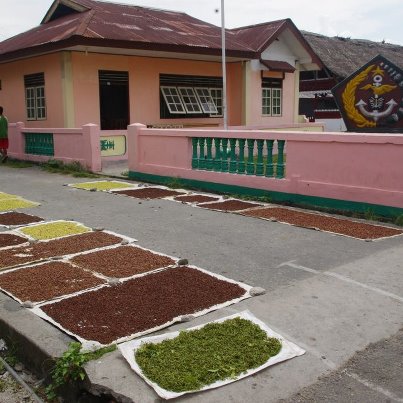
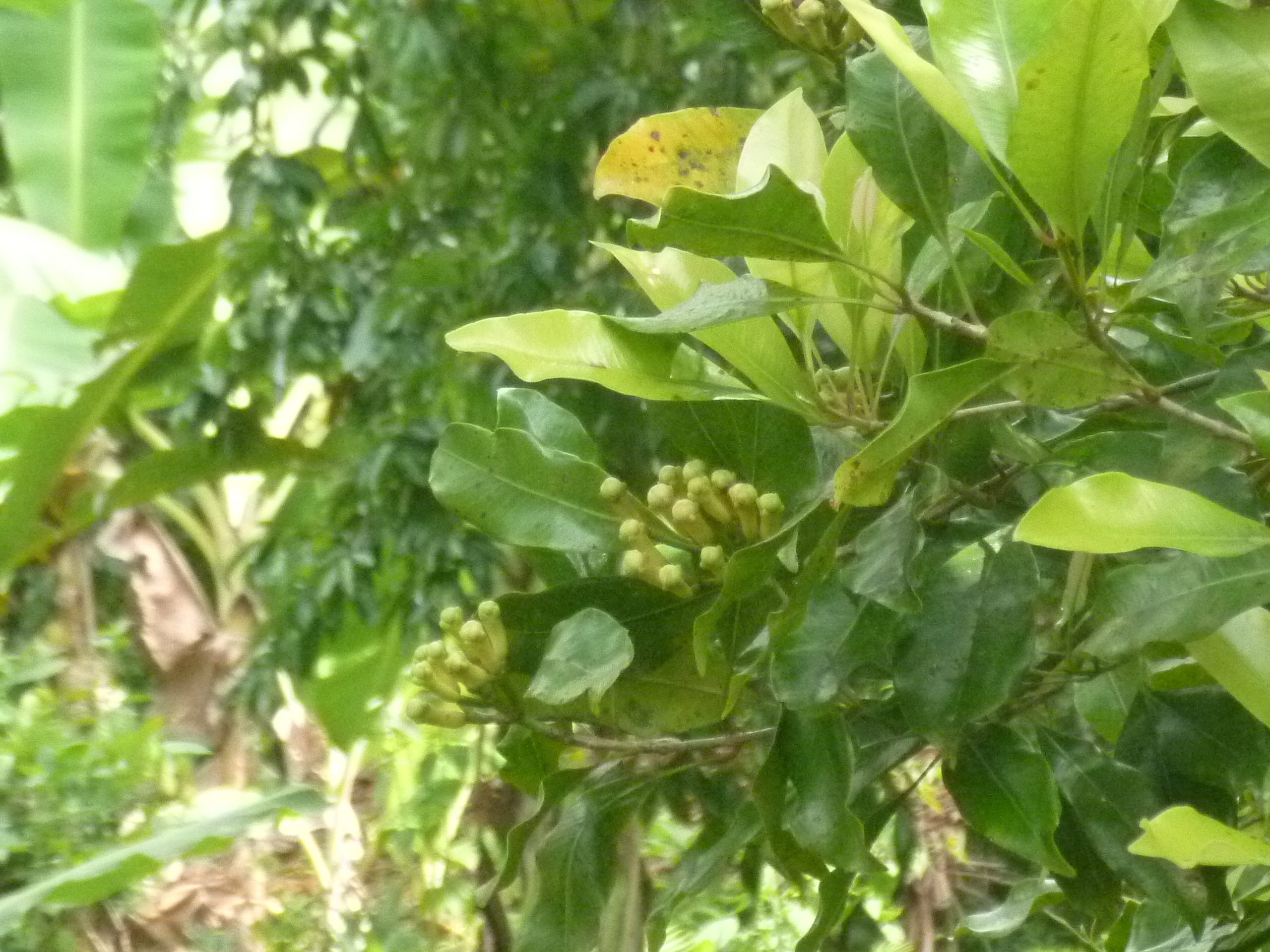
Cloves originally only grew on the islands of Ternate, Tidore, Motir, Makian and Bacan.  ‘Herbie’ describes how they are grown, harvested and dried until they finish up in our spice cupboard at home.

Image

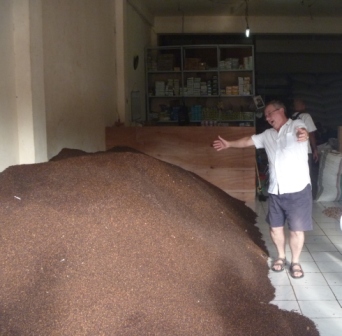
Our voyage on the Ombak Putih finishes on the island of Ternate where we were able to visit the Sultan’s Palace and tour the island, and where ‘Herbie’ discovered a mountain of dried cloves in a spice exporter’s warehouse.

Image

Now watch the video of our voyage on Herbies TV

More information about the book Spice Islands is available at www.ianburnetbooks.com

More information about Herbie’s Spices is available at www.herbies.com.au

Posted in Uncategorized | Tagged , , , , , , , , , , , , | Leave a comment

Spice Discovery October 2013 Ambon-Banda-Ternate with Ian Burnet

Image

“…. I would dream of the fabled Spice Islands. Images of palm-fringed tropical islands backed by towering volcanoes filled my imagination and I saw myself arriving at the sandy shore by sailing boat, like the explorers, adventurers, traders that had gone before me ……….. My boat was a Bugis phinisi…… “ (from ‘Spice Islands’ , 2011, by Ian Burnet)

The Moluccas (better known as the Spice Islands) have been a magic destination for over 10 centuries. The first seafarers to explore the region, as early as the 8th century, were the Arabs. … In fact, the name Maluku is thought to have been derived from the Arab trader’s term for the region, Jazirat al-Muluk ‘’the island of the kings” and an ancient Arab text places the islands rather precisely “fifteen days sailing east of Java”.
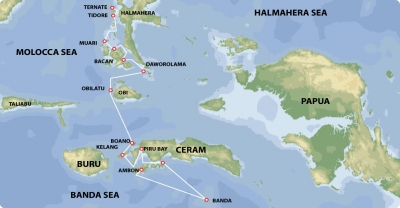
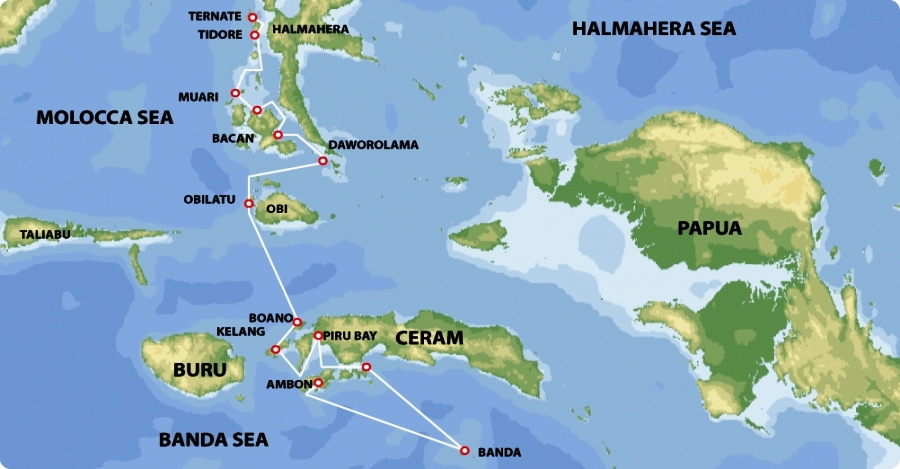
What the Arab traders brought back to their home ports, were exotic spices: cloves, mace and nutmeg. These were sold to Venetian merchants and became known in Europe as “the nuts from Muscat”. Because of the high value of these spices in Europe and the large profits they generated, many adventurers followed in the wake of the Arabs… first Portuguese and later Dutch and British. This thirteen day voyage from Ambon to Ternate Seatrek retraces ‘the marine spice route’ to the fabled sultanate of Ternate.

This itinerary will be enhanced by stories and lectures from the Australian author Ian Burnet who wrote the book Spice Islands in 2011. Ian has spent more than 20 years, living, working and travelling in the Indonesian Archipelago in his professional career as a geologist/geophysicist.
Fascinated by the history of the archipelago, he thought the story of the tiny islands of Ternate and Tidore and their effect on world history had to be told.

http://www.ianburnetbooks.com


On Day 1 when you arrive at the Ambon airport, cars will be waiting to take you to the Ombak Putih at her mooring in the harbour. After you have settled in on the vessel and freshened up, we spend the rest of the day exploring this bustling capital city of the Moluccas. Ambon was built on a hillside overlooking the bay and there are many interesting sites of historical and cultural interest. Among them are the remnants of several old forts built by the Dutch East Indies Company during the heydays of the spice trade. To get a good feel of the local atmosphere, one can crisscross the downtown area in one of the numerous becaks (pedicabs). There are also great markets from which to buy local crafts and produce. In the early afternoon we will make the crossing to the Banda archipelago.

On Day 2, we will first reach the first of the Banda Islands, Run.  An amazing historical footnote is the fact that in 1667, under the Treaty of Breda, this small island was ceded by the English to the Dutch in exchange for Manhattan. After rounding Run we will reach the Island of Ai. Here we go ashore on a beautiful beach to meet with the villagers. A short walk brings us to Fort Revenge which was built by the Dutch after their capture of the island from the English. Behind the fort we find the first nutmeg plantations.  During lunch the vessel will move to the main Island of Bandaneira. With the Ombak Putih tied up to a palm tree on the waterfront, we will spend the afternoon strolling through the old town and get a feel for its incredible history  viewing the  restored planters’ mansions, fortifications and churches. We will find that Fort Belgica was an early blueprint of the Pentagon.  Until today the population is an interesting mix of Malay, Arab, Dutch and Melanesian. At the end of the day we will spend a quiet evening in the lagoon.

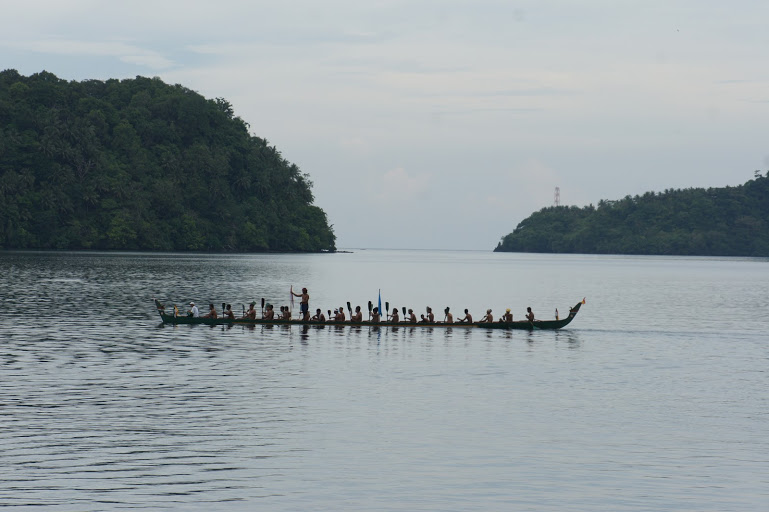
On Day 3, we invite the fit and ambitious to first come along for an early morning ascent of the Gunung Api volcano. Tthe reward  to reach the 600 m top of the “Fire Mountain” is more than worth it: a stunning  and unforgettable view  over  the  Banda  Sea, the surrounding  islands  and  the  crater  itself.  In the course of the morning we cross over to visit Lonthor, the largest island in the chain.  On our way out the ‘Sonnegat’ (sun’s gap) between Bandanaira and Gunung Api we hope to be escorted by one or two so-called ‘Kora-Kora’, long sea canoes, rowed by over a dozen muscled men and used in ancient times to attack the invading colonists. In the afternoon the Ombak Putih goes on a Westerly course back towards the island of Ambon.

On Day 4, we arrive in the vicinity of Ambon and pass through the Haruku Strait; explore the Bight of Hitu on the North Coast of Ambon Island, which was a favorite anchorage of the early navigators; and go beach-combing and snorkeling around the islands of Piru Bay (Kasa Island Natural Reserve). Once we round the southwest point of Ceram, we venture north for the Island of Kelang.

On Day 5 at Kelang Island we will go ashore for a trek through small villages, vegetable  gardens  and  tropical  rainforest  all the way to the  top of the island;  we will have a  good chance to encounter wildlife and the view over  the  surrounding  islands and  toward Ceram and Buru is breathtaking.  The coral reefs on the north coast of the island are exceptionally beautiful and we look for a spot to relax and enjoy the beach and water in the afternoon.

On Day 6,  magnificent  scenery  awaits  us  on  Boano  island: towering  cliffs and a ‘karst’ landscape  that  is fringed by white-sand  beaches.  We will use our tenders to explore this beautiful coastline and stop in some of the fishing villages. In the late afternoon the ship takes a northerly course for an overnight passage across the Ceram Sea.

On Day 7, we spend the morning exploring jungle-clad Obi, one of the least populated islands in the archipelago. We’ll drop anchor in a secluded bay and go trekking to an inland lake, a two hour walk through mangroves and rainforest. During lunch we will move to Obilatu; we visit a remote settlement on the north coast or relax on one of the small islets offshore.  In the evening we select a good spot for a BBQ on the beach.
On Day 8, during the night the captain will move the ship Doworalamo Island where we will spend the morning, snorkeling and beach-combing. During lunch we will move to the East Coast of Bacan near Sayoang or Babang from where we will drive across the island to visit the main town of Labuha and the old crumbling Fort Barnewald, originally built by the Portuguese .

On Day 9, we go ashore for an early morning trek from the village of Geti on the north coast of Bacan.  We enter the rain-forest to try to spot some of the endemic  species  of  parrots, cockatoos, lorikeets and perhaps even the elusive cuscus or a  rare black macaque. The afternoon we will spend with exploring the strait between Bacan and Halmahera. It will not be difficult to find some great spots for snorkeling or diving.

On Day 10, once again the ship is underway at sunrise and in the course of the morning we make a stop on Muari Island for snorkeling or a walk ashore to one of the coastal villages. Shortly after noon we cross the equator and enter the northern hemisphere where we reach the Goraici group of islands.  Most of these are the picture post card variety: uninhabited with palm fringed white-sand beaches and crystal clear waters.

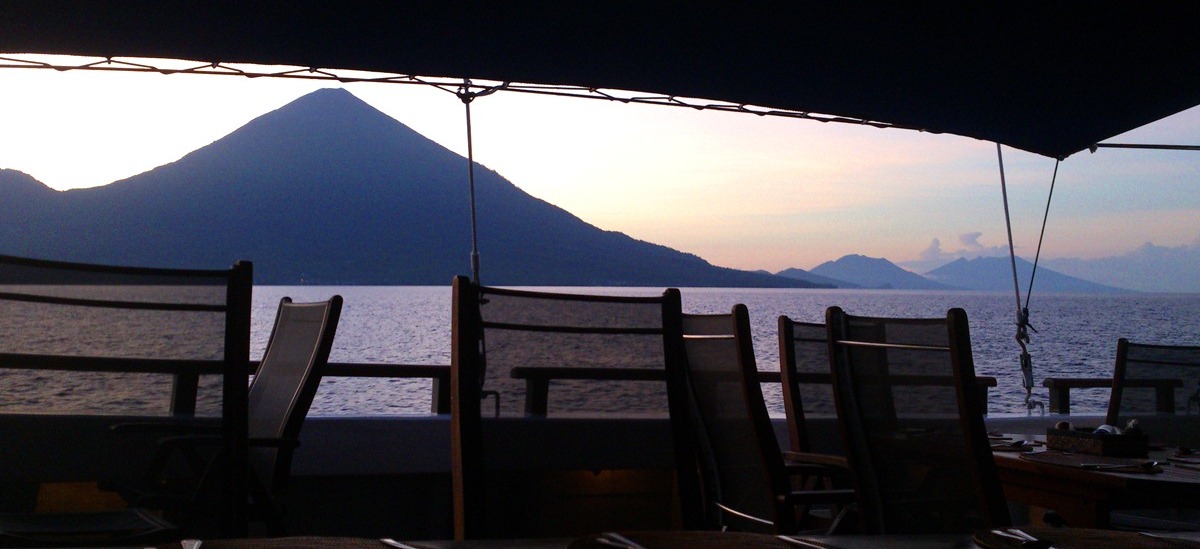
On Day 11, early in the morning we will reach the island of Tidore.  While having breakfast, sailing around the North- East coast of Tidore you will have a magnificent view of the perfect cone of the extinct Kiematabu volcano that dominates Tidore.  When we reach the old town of Soa Siu, local vehicles will bring us high on the slope of the volcano to visit some age-old clove plantations. The afternoon we will spend with snorkeling and exploring around one of the adjacent islands.

On Day 12, we reach the island of Ternate our final destination. This old city has been the center of the spice trade for several centuries, where the imprint of the Dutch and the Portuguese can still be seen. Here we will visit the ‘Kedaton’, the palace of the Sultan of Ternate. We hope to attend court-dances in the ‘pendopo’ (covered atrium). If we are lucky we may enjoy the presence of the Sultan and his family. We will be drinking tea and listen to a short introduction of the dances and the history of Ternate. After that we will go back to the boat to say goodbye to captain and crew and transfer awaits to either a hotel or the airport to fly back to Jakarta or Bali.

Cruise Code Start Date Finish Date Cruise Description No Days

Price *

OP1310CT2 24-Oct-13 4-Nov-13 SPICE DISCOVERY : Ambon – Banda Islands – Ternate   (featuring Ian Burnet the author of the book ‘Spice Islands’)

12

$         4.750

Make an Inquiry

* Prices are per person and based on sharing a double or twin cabin

Participants should be aware that itinerary and program of our sea voyages occasionally may have to be modified, due to factors beyond our control: unfavorable weather conditions, delay in processing harbour clearances, modified schedules of domestic flights. The cruise director and captain of the Vessel will adjust the program accordingly in the best interest of all.

Please note that the domestic flights are not included.

Posted in Uncategorized | Tagged , , , , , , , , , , | Leave a comment

Spice Islands Sailing Adventure 2012 — Ternate and Tidore

Image

Image

http://www.ianburnetbooks.com

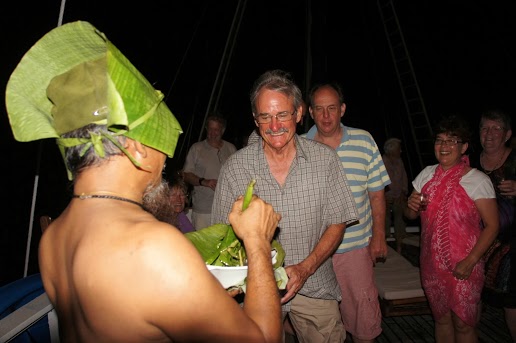
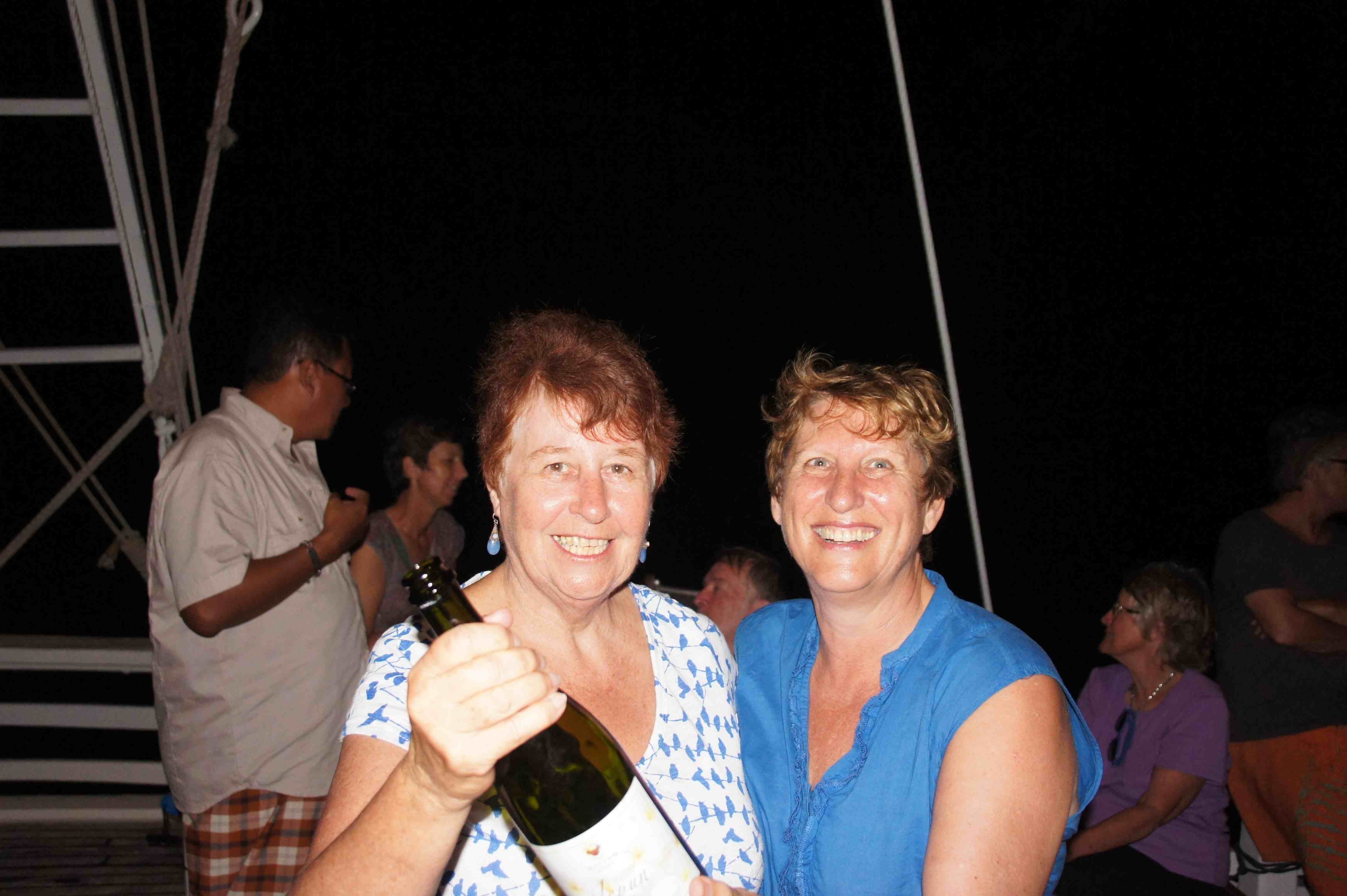
Sailing north along the Patinti Strait between Halmahera and the offshore islands, we crossed the equator that night and ‘surprise, surprise’, King Neptune emerged from the depths of the Molucca Sea to anoint his subjects. Toni and Cathy even produced a bottle of champagne to celebrate!

Image

Image

The next morning many of our group were up before sunrise as we sailed past the string the string of volcanic islands, such as Machian and Motir, before we anchored between the clove islands of Tidore and Ternate.

Image

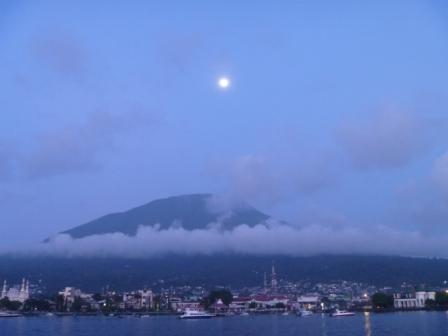
In the first light of day and as the morning call to prayer sounded from the mosques on Ternate I captured this photo of the moon setting above the volcano on Ternate.

Image

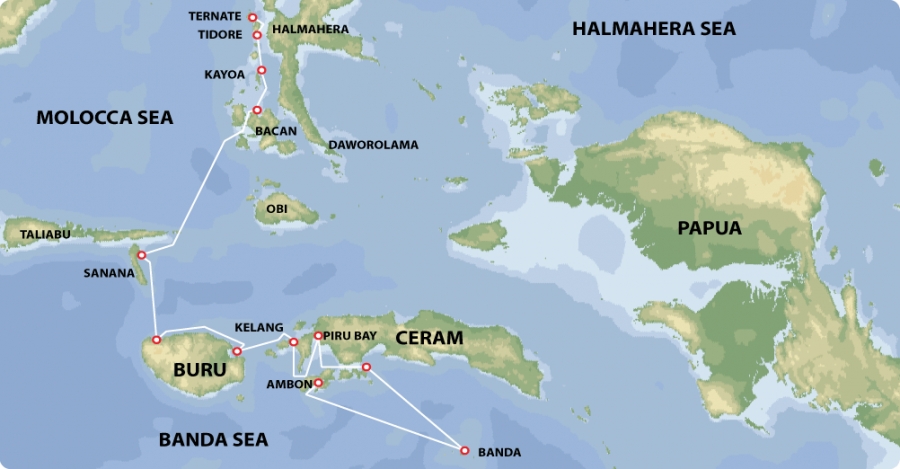
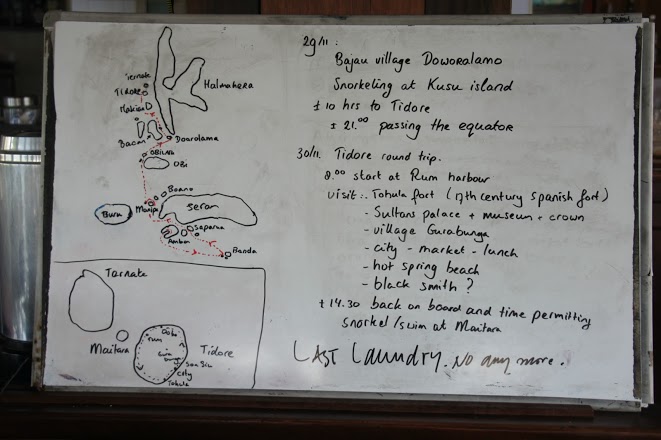
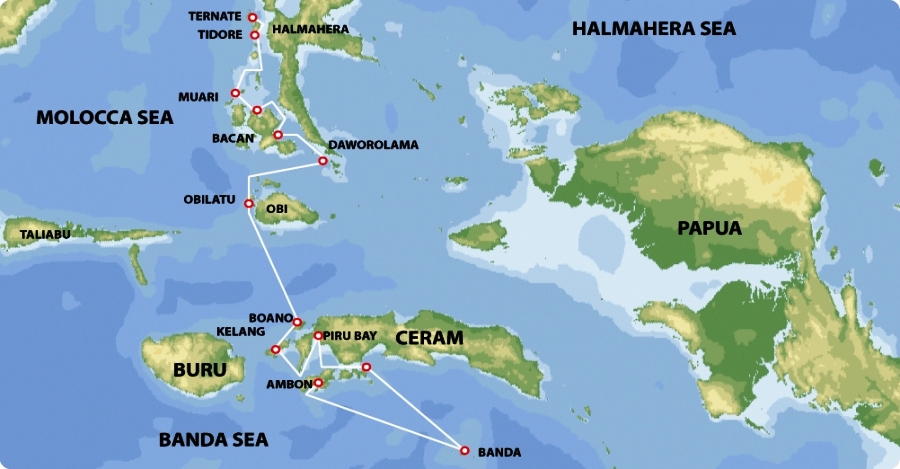
This was going to be the last few days of our 12 day voyage, the ships notice board shows the route of our journey through the Spice Islands, the program for the day, and gives a last call for laundry.

Image

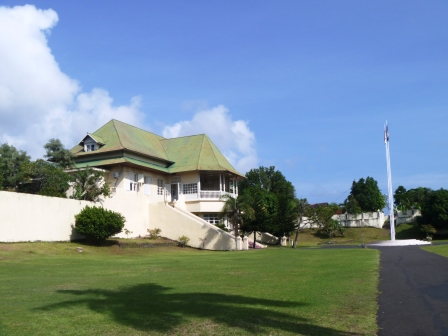
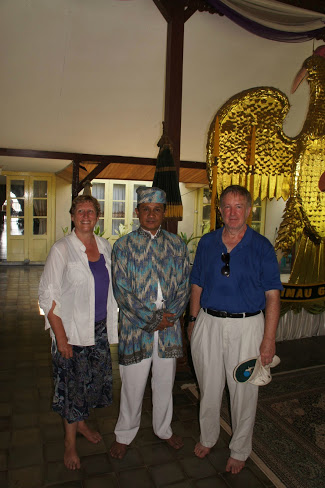
The highlight of our visit to the clove islands was our visit to the Sultan’s Palace on both Tidore and Ternate, and Herbie’s discovery of a mountain of cloves in a local traders warehouse.

Image

ImageImage

It is time for our last round of ‘sunset drinks’ and then dinner on the Ombak Putih and we celebrate with a ceremonial rice cake and a gift to our marvellous guides Caroline and Jenny.

ImageImage

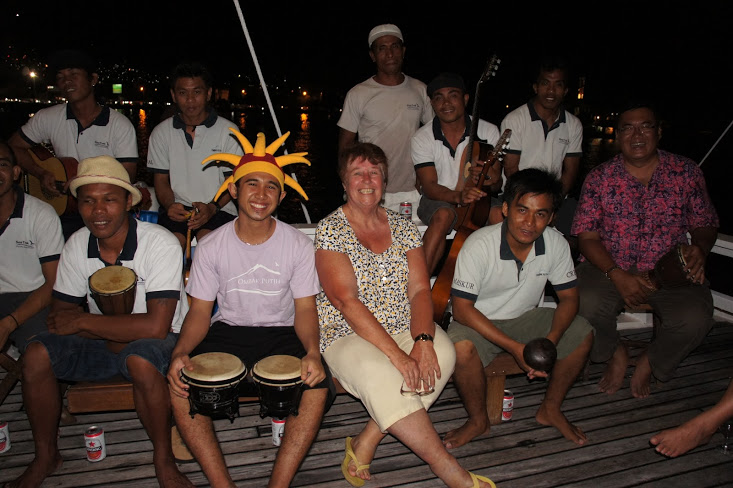
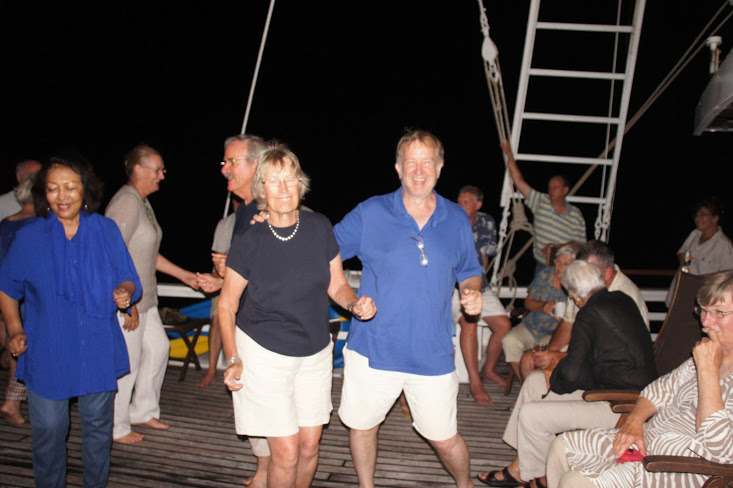
Then it is time to join enjoy the entertainment provided by the crew and dance the night away.ImageImage

Posted in Uncategorized | Tagged , , , , , , , , , | Leave a comment

Spice Islands Sailing Adventure 2012 — Obliatu Island

http://www.ianburnetbooks.com

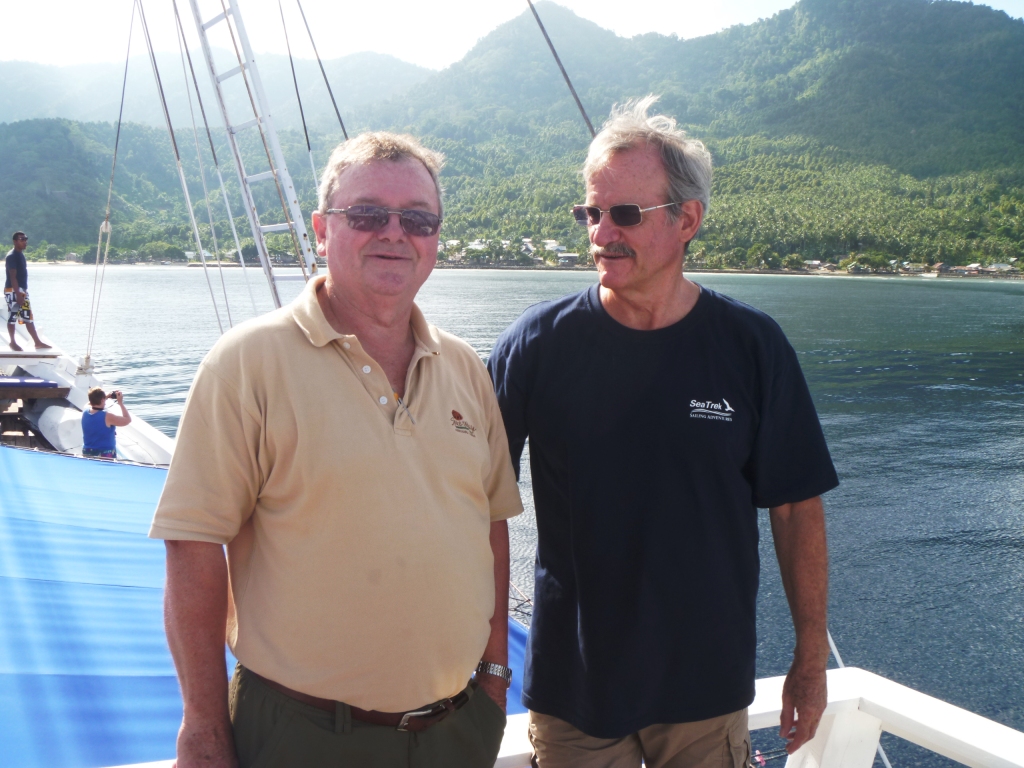
We reached the small island of Obilatu which lies north-east of Obi at sunrise. The vista of thousands of clove trees growing up the side the mountain was amazing. Ian Hemphill (Herbies Spices) and Ian Burnet (Spice Islands) are standing in the foreground.Image

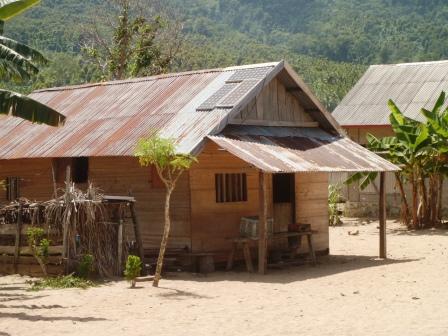
The people here have all migrated from Buton off south-east Sulawesi and they first started planting clove trees here 40 years ago. It is quite a remarkable achievement as all the land would first have to be cleared of the jungle.That meant there was no shortage of timber to build their houses and note the solar panels on the roof.Image

The village is still expanding and we watched them fell a coconut tree to make way for a new house. The problem with drinking coconut water direct from the coconut is how to stop the spillage as Lisette found out.

Image

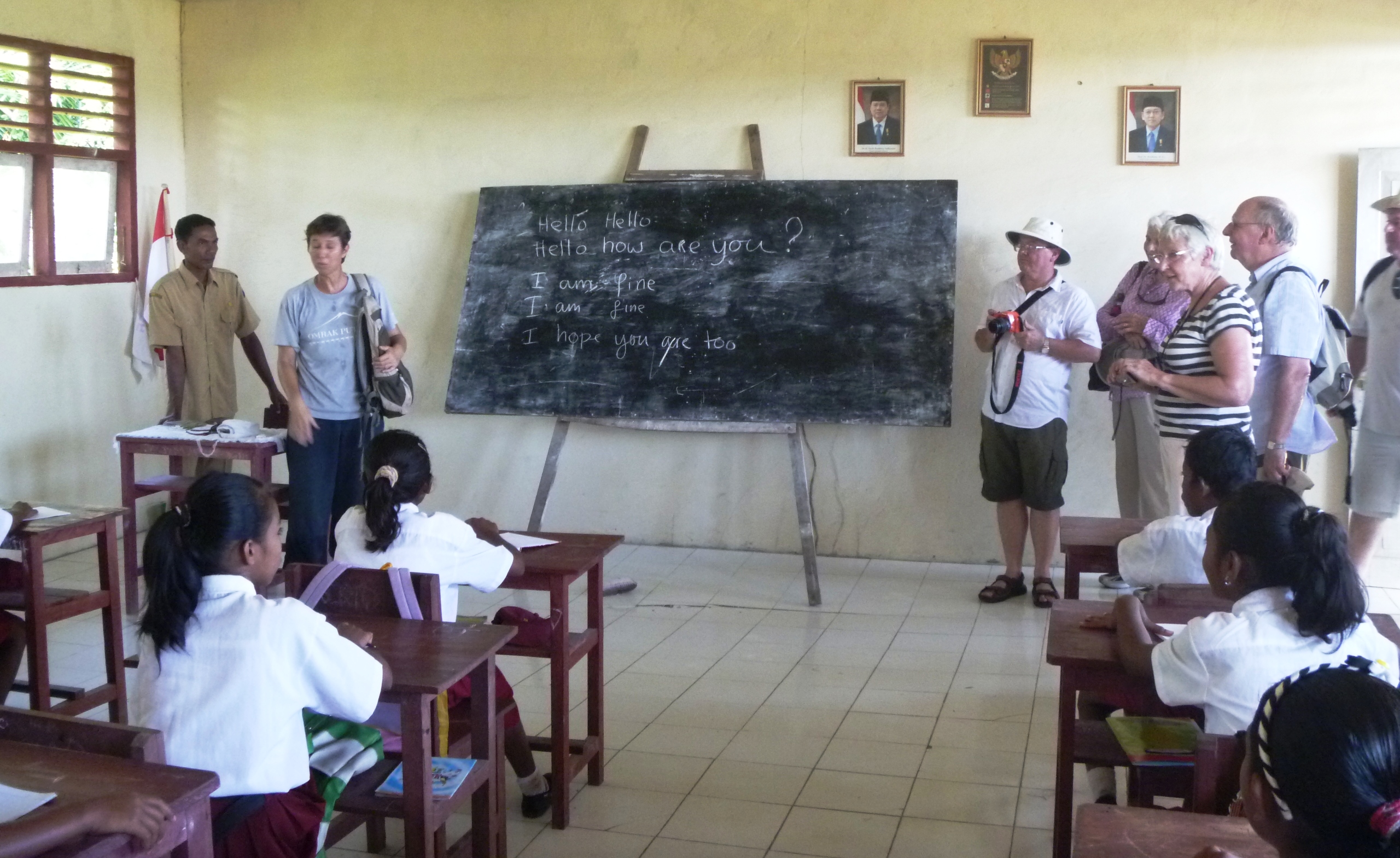
Again the highlight of our time on the island was a visit to the local school and to give some unexpected English lessons.Image

Our contribution to the local economy was to fill a dinghy with coconuts and some fresh fish before our departure.

Image


Posted in Uncategorized | Tagged , , , , , , , | Leave a comment

Spice Islands Sailing Adventure 2012 — Manipa Island

Image

Image

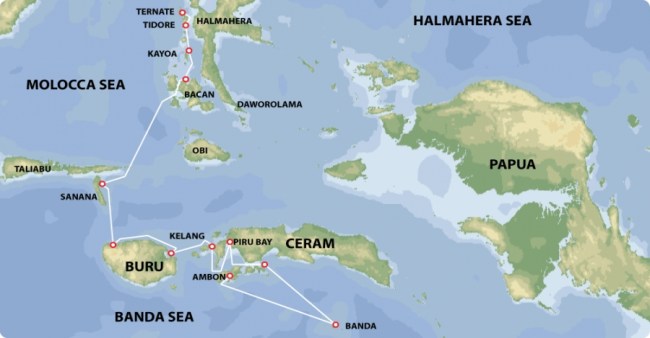
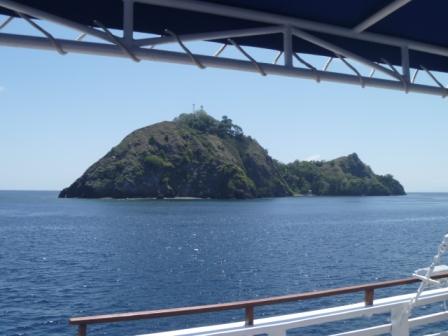
The waters of the Eastern Indonesian Archipelago are some of the clearest in the world, and are perfect for diving and snorkeling. Our program most days was to explore the islands in the morning, back to the boat for a late lunch, and then a few hours snorkeling in the afternoon before sailing to our next destination. I ran a quick survey of our group as to which were the top snorkeling spots and they came up with two – one off Gunung Api (the Fire Mountain) in the Banda Islands, and one off what we all called Lighthouse Island which is near the western end of Ceram.

As recently as 1988 Gunung Api erupted and lava flowed into the sea. Unexpectedly, the coral has rapidly regrown and our group reported some good snorkelling located just off from the blackened lava flow.

Image

We sailed from Saparua through the Haruku Strait to the island of  Manipa which is near Kelang on the map. Here we made a muddy landing ashore and trekked a few kilometres inland to view a traditional ‘factory’ distilling minyak putih or eucalyptus oil from the leaves of the Melaleuca plant. The crushed leaves are boiled in a huge vat over an open fire and the vapour is distilled into the oil, which is used all over Indonesia as a cure for bodily aches and pains.

Image

However, the highlight of the day was our visit to the local school where the teachers in our group had the children practising their English and singing songs.

Image

Lighthouse Island is located near Kelang Island off the west coast of the main island of Ceram and our group described some spectacular snorkeling with plenty of colourful reef fish, in what was a real life tropical aquarium.

Image

This was our last stop before sailing north across the Ceram Sea and to our delight there was enough wind to raise the sails on the Ombak Putih for the first time, as we set our compass course for Obi Island and then Halmahera.

Image

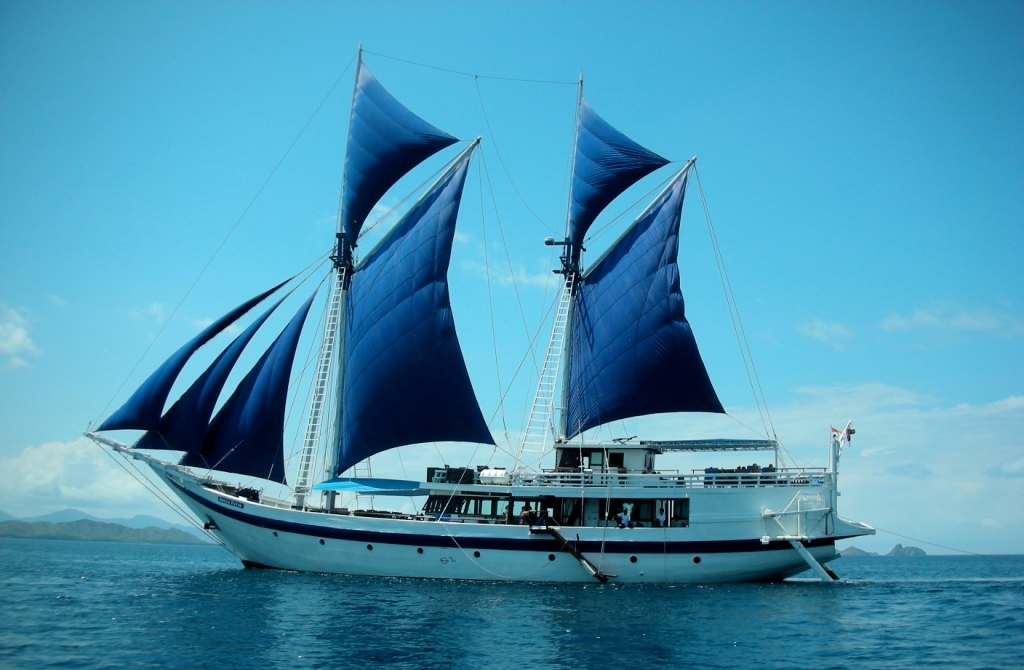
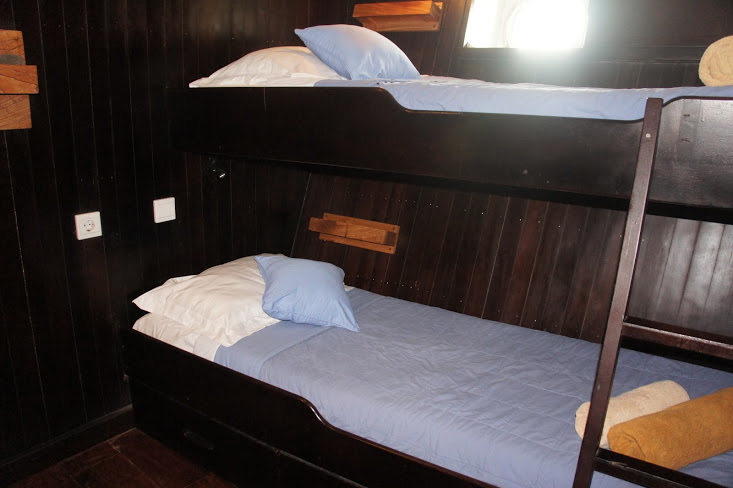
It’s time to do a tour of the ship. Below the main deck are 12 double or twin bed cabins with en-suite bathrooms and air conditioning, and the photo shows a typical cabin.

Image

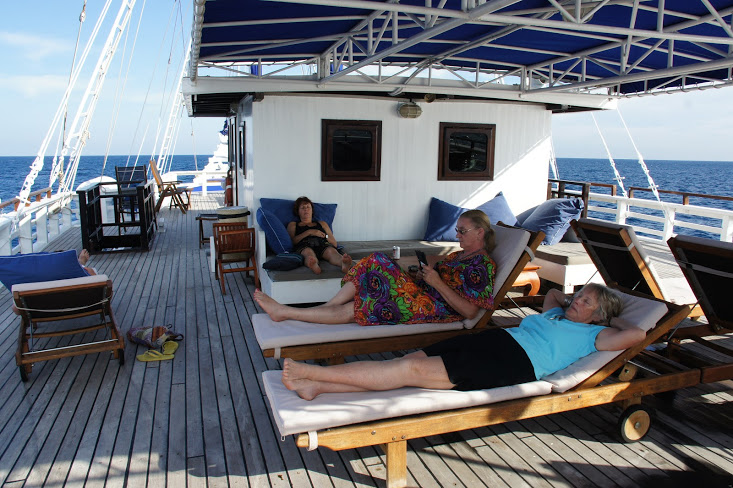
All of our pre-dinner drinks and delicious meals were taken outside on the front deck, and there was lots of relaxation and reading done on the lounges of the upper rear deck.

Image

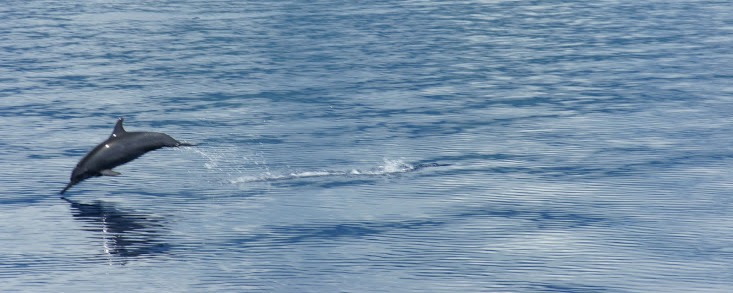
Sailing across the Ceram Sea we were joined by numerous dolphins who entertained us as they followed the Ombak Putih. How hard is it to get a picture of a dolphin as it breaches the water? Well Cathy Morrison was able to take this photo.

Image

For more information go to http://www.ianburnetbooks.com and http://www.seatrekbali.com

http://www.ianburnetbooks.com

Posted in Uncategorized | Tagged , , , , , , , , | 3 Comments

Spice Islands Sailing Adventure 2012 – The Lease (lay-ar-say) Islands

MollucanSpiceDiscovery_OmbakPutih_compressed

We said farewell the beautiful Banda islands this afternoon in spectacular style, accompanied by a traditional war canoe, a kora-kora, rowed by 20 bare-chested men to the rhythm of gong and drum,  as we sailed out through the Sonnegat, called the ‘sun gap’ as you always see the sun setting between these two islands.

KoraKora

From Banda we sailed overnight to the Lease (pronounced  lay ar say) Islands of Haruku, Saparua, and Nusa Laut, which lie between Ambon and Ceram. These islands are significant because it was on Ambon and these surrounding islands that the Dutch East Indies Company controlled and monopolised the growing of cloves. Each villager had a specified number of cloves trees that he was obliged to grow and harvest, with the cloves to be sold to the VOC at a fixed cost. These cloves could be sold for much more to traders from Java or Macassar , who were often offering twice as much as the Dutch.  The VOC punishment for this ‘illegal trade’ was the cutting down of all the clove trees belonging to the individuals or communities involved.
MollucanSpiceDiscovery_Map3

017Saparua is the largest and most populous of the Lease islands, here we landed on a nice sandy beach next to Fort Duursted and were greeted by a Swiss lady who was staying in one of the beachside cabins.  Fort Duursted has been almost completely restored but has a tragic history. Built to protect the VOC clove monopoly in 1676 by Arnold de Vlaming, it was attacked after a local uprising led by Kapitan Pattimura in 1817, and nearly all the Dutch inside the fort were killed including the Resident, Van de Berg, and only his young son was spared.
020After its seizure, Pattimura defended the fort against a Dutch counter attack and later led an unsuccessful attack on Fort Zeelandia on the adjoining island of Haruku.. Betrayed to the VOC, Pattimura was arrested while in Siri Sori, and he and his comrades were later executed at Fort Victoria in Ambon.
023

From the Fort we could look across the bay to the town of Siri Sori and its churches. Saparua  had the same inter-communal strife here in 1999 and 2000 as in Ambon. A huge amount of damage was done to homes and religious buildings, and the central government and the respective religious organisations have provided a lot of the funds for rebuilding . There are two separate villages. One is Siri Sori  Serani   with a brand new church (Serani  is an Indonesian term for Christian, the residents of  the Palestinian town of Nazareth were called Nazranis and this became shortened to zerani,  so serani is the Indonesian word used to describe the followers of Jesus of Nazareth), and the other is Siri Sori Islam with its huge mosque,  and there are separate schools for the two religions.

025 - Copy

After visiting the fort and its adjacent museum, we squeezed into in a fleet of colourful red and blue mini mini-vans to tour the island.

033

The village roads were lined with groves of clove trees laden with their aromatic flower buds, it was harvest time and the clove buds were drying on mats laid out on the side of the road.

ClovesDrying

We stopped to look at the clove trees and to enjoy the fragrant smell of the drying cloves. Our spice expert and fellow voyager, Ian Hemphill, explained that as the cloves dry in the sun their oil is converted to eugenol , which is what gives off such a strong and characteristic aroma.

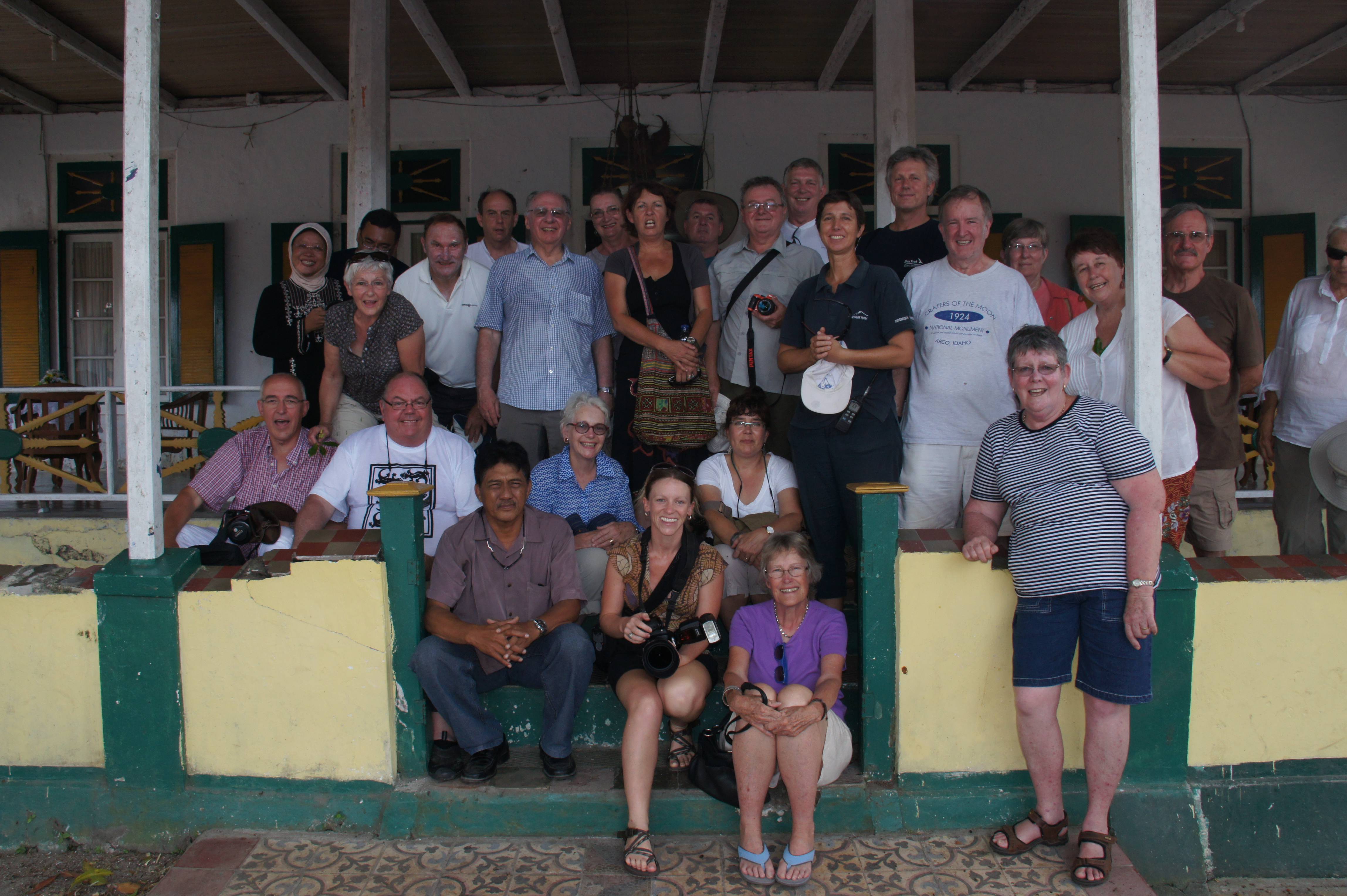
Our next stop was the house of the local Raja, where he and his wife welcomed us.  They live in a grand old house full of traditional Dutch style furniture and ornaments, and its walls are lined with family portraits and photographs. The Raja is a hereditary leader of Saparua, going back eight generations and he showed us a tattered  document  written by the King of Holland in 1812, to prove it. Someone decided we should take a group portrait on his front step (thank you Cathy)

SONY DSC

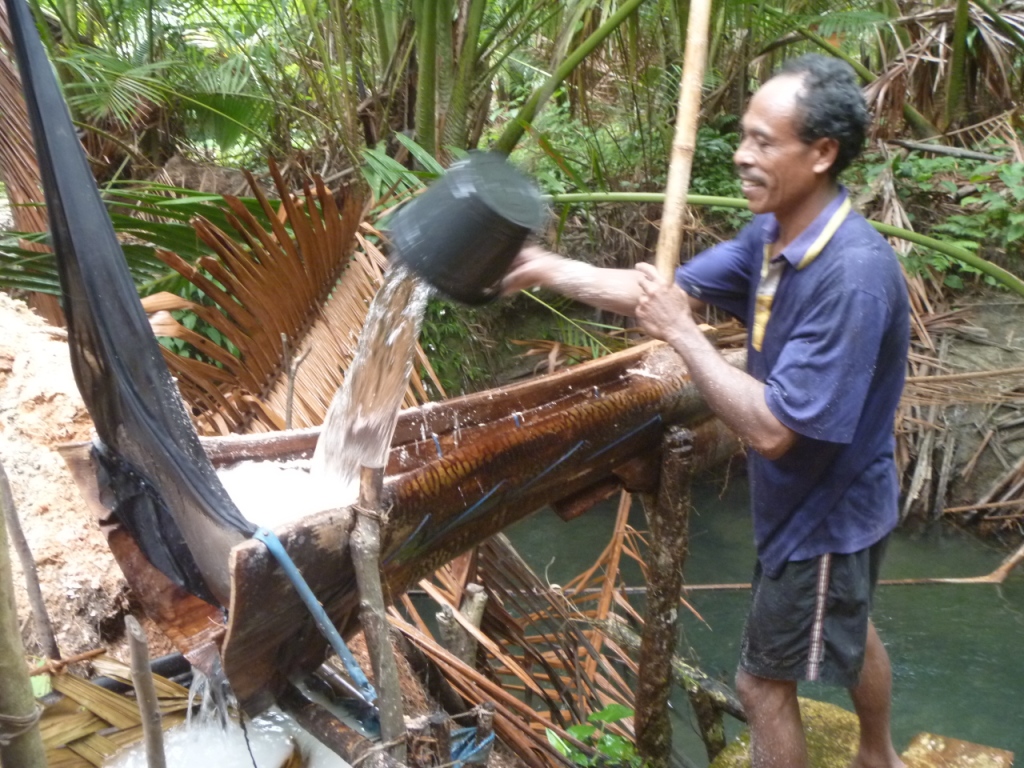
The staple diet in the Moluccas is sago and we were anxious to see how sago is produced from the pith inside the trunk of the sago palm. We found the processing plant by a creek and in the middle of a grove of sago palms. The only mechanised part of the process is a motorised cylinder of nails that shreds the trunk into fibres which are then washed by hauling bucket after bucket from the creek and pouring it over the fibres in a cloth sieve. 048 - CopyThe white water flows into a long channel, where the starch sinks and solidifies at the bottom.  Later, in a village kitchen we saw how the starch is sieved into a fine powder, pressed inside clay moulds and then dried in the sun to form wafers or biscuits of sago. Nobody expected sago to be very tasty,  but later we tried some filled with a palm sugar syrup, they were delicious (and we were also hungry).

Ouw is the only village in the Lease Islands that produces kitchen  pottery and the pots are sold as far away as in the markets of Ambon. Visiting a little family pottery, we watched an old lady making a bowl on a hand turned wheel as she sat on the ground. Then she coloured another bowl, already dried, with red oxide and fired it in a small fire of sago palm fronds for 20 minutes, she then glazed the hot bowl with a gob of sizzling resin on a stick.

Our last stop was to see Saparua’s finest surviving example of a baileo or traditional village meeting place, the Baileo Nolloth. It has been constructed entirely without nails, with all the beams and joists notched or tied together, exactly as Najib our fellow voyager and Malaysian architect had described in his talk on traditional Malay architecture.

059For more information visit

http://www.ianburnetbooks.com

http://www.amazon.com/Spice-Islands-Ian-Burnet

and about the Ombak Putih visit http://www.seatrekbali.com

Posted in Uncategorized | 2 Comments

Spice Islands Sailing Adventure 2012 — The Banda Islands

MollucanSpiceDiscovery_OmbakPutih_compressed

MollucanSpiceDiscovery_Map3

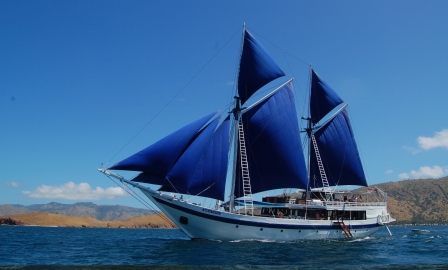
November 21, 2012 we joined the Ombak Putih owned by SeaTrekBali, in Ambon harbour. A traditional Indonesian sailing vessel except for the en suite bathrooms and air conditioned cabins! We were a group of 23 interested and interesting people all with some connection to Indonesia, some from Holland, America, Malaysia and the rest of us from Australia.

008 - Copy After a day looking around Ambon we departed the following evening for the fabled Banda Islands, the only place in the world where nutmegs originally grew. The nutmegs were both a blessing and a curse, as the forts built on the islands tell the story of the battles that were fought between the Bandanese and the Dutch East Indies Company, and then the Dutch East Indies Company (VOC) and the English East Indies Company (EIC), over these seeds that once they were brought back to Europe were said to be worth their weight in gold.

In the first pink light of dawn we reached the first of the Banda Islands the tiny island of Run, the once valuable nutmeg island which became famous because of the real estate deal of the millennium, when it was traded by the English in 1667 for the Dutch island of Manhattan.091 - Copy

Our first visit ashore was on the adjoining island of Ai and to the aptly named Fort Revenge, built after the Dutch captured the island from the English. The entrance leads to a long tunnel through the broad wall of the fort, there are no longer any buildings in the courtyard but symbols of the forts purpose and survival can still be seen – that is the gunpowder magazine, the dungeons, and the water well.

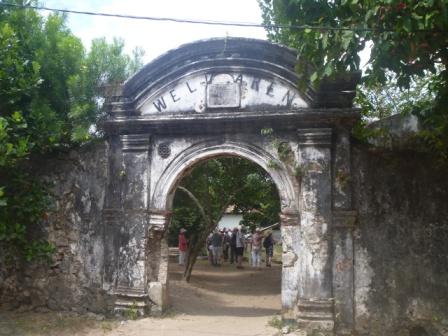
A Dutch map from 1800’s shows the Banda Islands and the allotments or perks that were allocated to the Dutch planters in 1621 after the Banda Massacre. We then entered the Welvaren Perk, which was one of the nutmeg gardens allocated by the VOC to Dutch 099 - Copyplanters on Ai. We passed through its impressive entrance gate, and the inscription over the gate tells us it was built by Paulus van den Broeke in 1754. Inside the perk are the nutmeg trees and the remains of the old Dutch buildings

240 - Copy

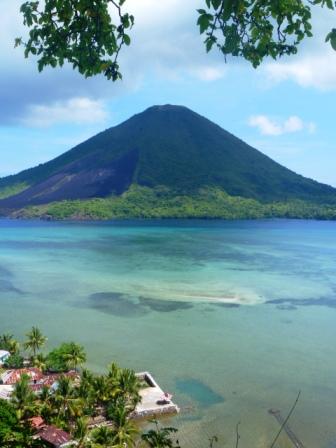
From Ai, we  then sailed into theremnants of an ancient volcanic crater that forms the main Banda Islands, and anchored off the town of Banda Niera, which is dominated by Gunung Api otherwise known as Fire Mountain, the active volcano which has formed inside the ancient crater and erupted as recently as 1988.

25_Map and View of Fort Belgica and the Banda_islands

We spent an afternoon exploring the town of Banda Niera, and taking a stroll through history. Old colonial buildings line the narrow streets of the town, we visited the museums, the mini-Palace which was the residence of the Dutch Governor and the VOC administrative headquarters, and the Nutmeg Cafe.  I don’t no why, but I was surprised to find a heroic statue of the Dutch King Willem III of Holland in the grounds of the VOC headquarters.

172 - Copy

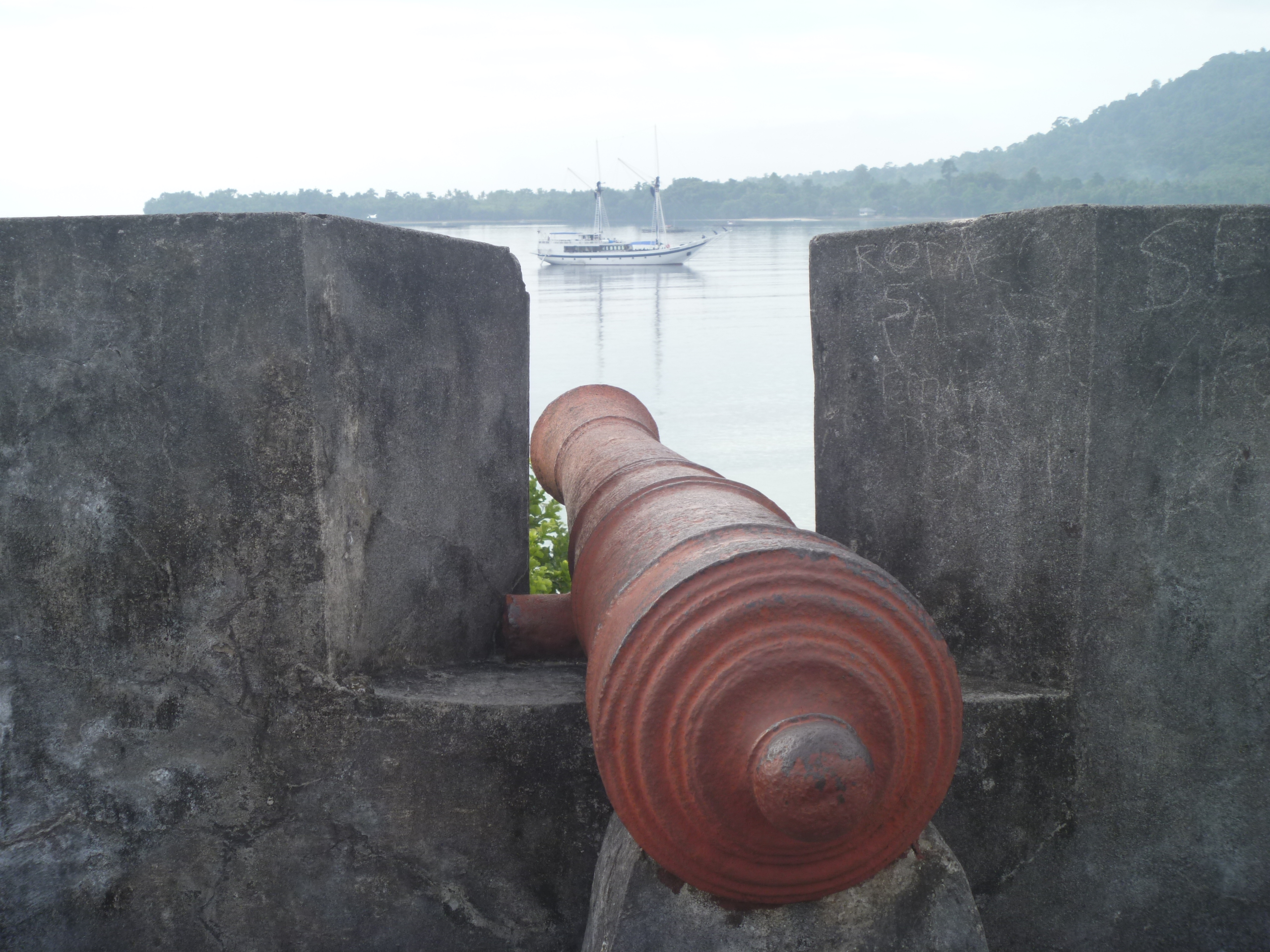
We finished the day on the walls of the restored Fort Belgica, overlooking the town. Built by the Dutch in 1611 its pentagon shape, its inner and outer defensive walls and its ancient cannon still pointing out to sea, tell of its importance for the defense of the islands. Although it was captured by the British in 1810 under the cover of darkness and heavy rain.

120 - Copy

The following day we visited the nutmeg plantations on Lontor or Banda Besar. Here, the Dutch divided the island into perks or allotments where the Dutch planters or perkeniers could cultivate their nutmeg trees on behalf of the VOC. Some of us ‘spice nuts’ were in nutmeg heaven as we wandered through the fragrant groves of nutmeg trees, shaded by the bigger Kenari trees.

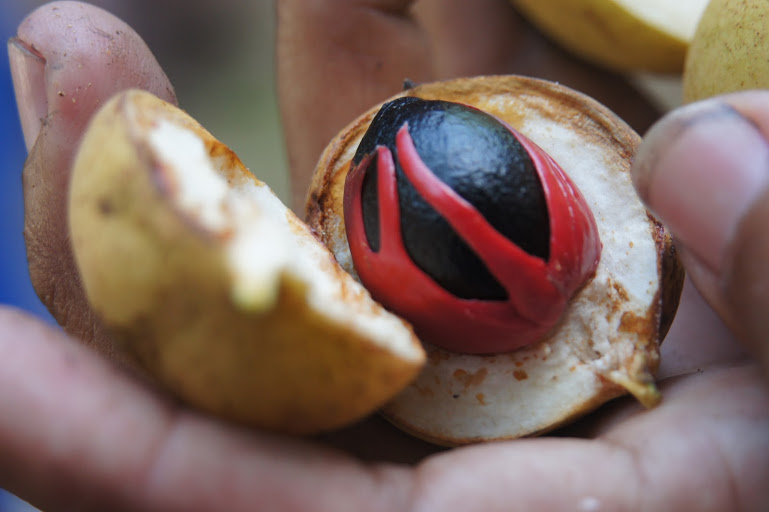
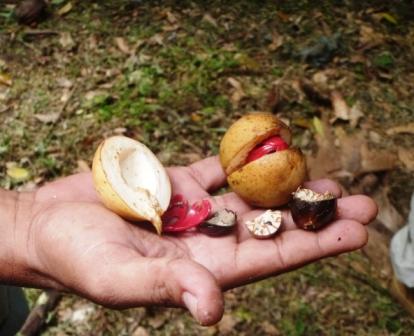
255 - CopyTwo hooks on the end of a long stick are used to grab the nutmegs and then allow them to fall into the attached basket. The outer fruit of the nutmeg is used for making pickles and jam, the red ribbon around the shell is known as mace and has a delicate nutmeg flavour that is more valuable than the nutmeg itself, which is inside the shell.

259 - Copy

For more information visit http://www.ianburnetbooks.com

and about the Ombak Putih  visit http://www.seatrekbali.com

Posted in Uncategorized | Tagged , , , , , , , , , | 4 Comments