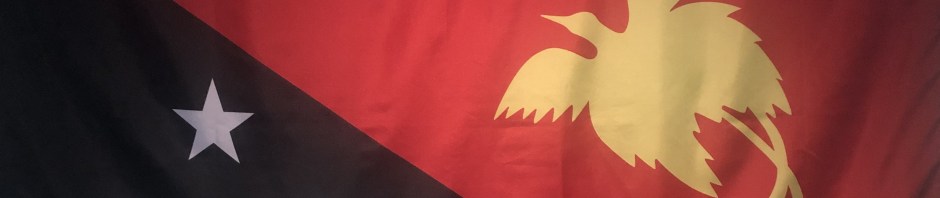

This is a fascinating exhibition that I was able to visit at the Museum Branly in Paris. From the forests of New Guinea to the paintings of the great masters of the Northern School, it is a fascinating journey in the footsteps of the birds of paradise, flamboyant creatures that have captivated the world for five centuries.

Bringing together nearly 190 works – adornments, paintings, stuffed specimens, fashion pieces and accessories, art objects and illustrated books – the exhibition crosses the views of natural history, art, ethnology, fashion and ecology. It sheds light on the way in which these birds were collected, represented, admired or transformed over time, in Oceania, Asia and Europe.

This exhibition traces the circulation of feathers and representations of birds of paradise, enchanting birds-artists native to the lush forests of New Guinea. An object of desire, contemplation and inspiration, these spectacular beings have crossed eras and continents.


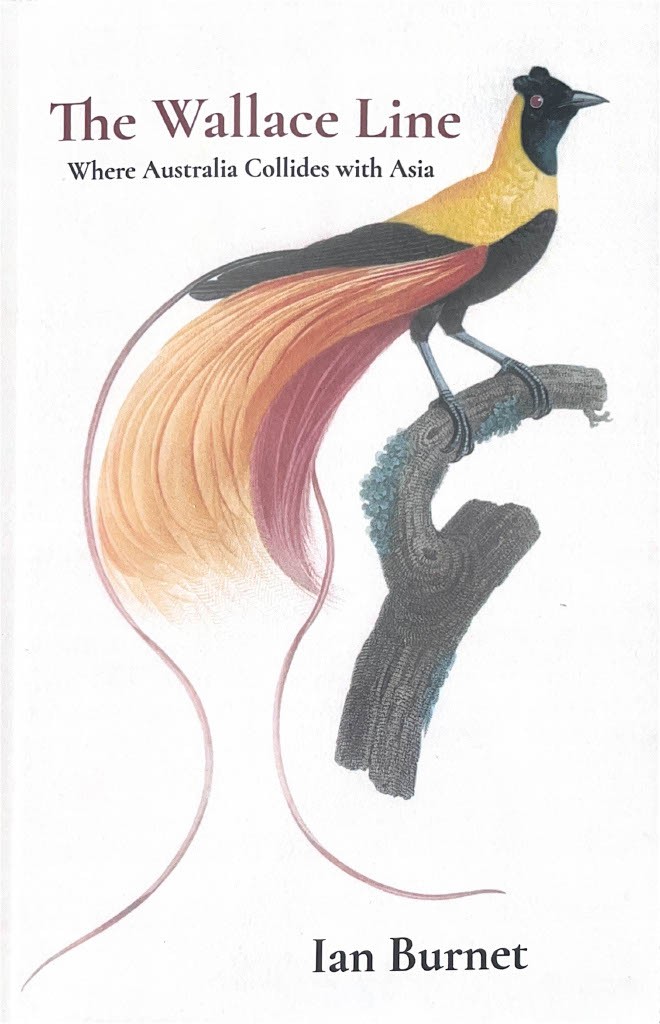
It was Alfred Russel Wallace, who, in 1856, based on his observations of the bird life and animal life in Eastern Indonesia, realised that the Lombok Strait represents the biogeographical boundary between the fauna of Asia and Australia. On the Asian side are elephants, tigers, monkeys and on the Australian side are marsupials such as possums and tree kangaroos. Consequently, he concluded that Australia had collided with Asia before there was any understanding of Continental Drift or Plate Tectonics.
His observations also led him to co-discover, in 1858, the concept of the Origin of Species, which forced Charles Darwin to publish his work that same year.
https://shop.ingramspark.com/b/084?params=BMeWcmwX1mrHgStodKqKxQLrZhWANC6E4RiMLi2bxnl


