Giant nutmegs found in Singapore!

Long before it became a temple to the gods of conspicuous consumption, Orchard Road in Singapore was named after the orchards and nutmeg plantations that were developed there in the early 1800’s. Nutmegs only grew in the Spice Islands of Eastern Indonesia and were highly valued. For centuries the location of these islands was a closely guarded secret until their discovery by Portuguese, Dutch and then English traders.

After the capture of the Banda Islands by the British from the Dutch in 1810, nutmeg seedlings were brought to Singapore and Penang for commercial development on these islands.

Nutmeg

This two ton bronze sculpture outside the Ion Centre is by Singapore artist Kumari Nahhapan. It represents an opened nutmeg fruit revealing its distinctive crimson membrane known as mace wrapped around the seed which contains the actual nutmeg. Both have the characteristic nutmeg flavour but the mace is considered better and thus more valuable.

IMG_2521 - Copy

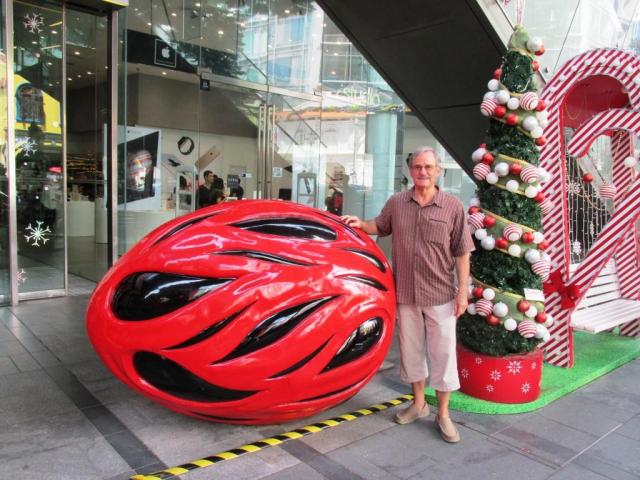
Further down Orchard Road near Orchard Central the mace and seed are displayed in another sculpture, this time in hand welded stainless steel with car paint, by the Italian born artist Michele Righetti . The spice-man has been inserted for scale.

IMG_2520 - Copy

Nutmeg was so valuable that in 1667 the Dutch exchanged their claim to the island of Manhattan for the English claim to the nutmeg growing island of Rhun, which is part of the remote Banda Islands in the Moluccas (Maluku) of Eastern Indonesia.

Which was of course the real estate deal of not just the century, but of the millenium.

http://www.ianburnetbooks.com


Posted in Uncategorized | Tagged , , , , , | 2 Comments

The Tropical Spice Garden and Clove Hall- Penang

It is lovely to visit Penang Island again and explore the historic streets of multicultural Georgetown, now a UNESCO World Heritage Site.  Row after row of the historic shophouses are being converted into boutiques, restaurants, museums, coffee shops, and whatever else the dynamic citizens of Penang can think of.

Penang tropical-spice-garden-entrance

The Tropical Spice Garden at Teluk Bahang has become a major tourist attraction on the island and it is easy to spend most of a day enjoying the spice gardens and learning about the natural history of all the spices and their different uses in flavouring our food, healing our bodies, and providing the scents of aromatherapy.

Penang TSG shop

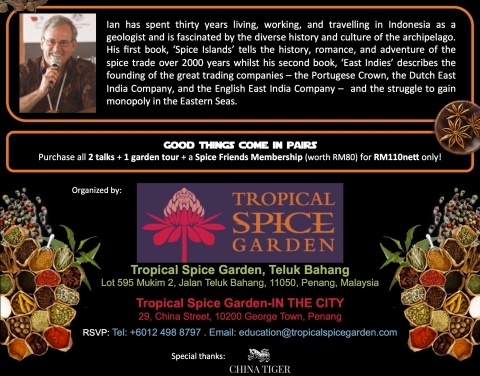
They have stocked the Spice Islands book since my last visit here four years ago and I am in Penang to give a talk entitled ‘Moluccas: The Spice Islands’ at their new shop in Georgetown itself called ‘Tropical Spice Garden – In the City’.

Penang spice-wars-poster-JPEG-Front

Penang  spice-wars-poster-JPEG-Back

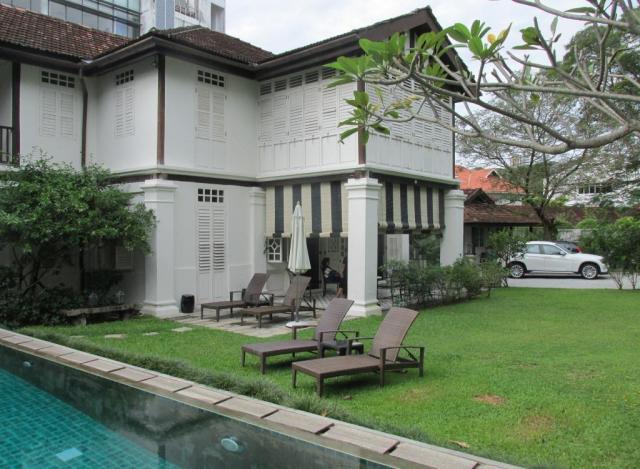
I have previously been introduced as ‘the world’s leading expert on the Spice Islands’, so where would the spice–man stay if he comes to Penang? Well in Clove Hall of course! Believed to have once been owned by the Sarkie Brothers to house the manager of their famous Eastern & Orient Hotel, this Edwardian Anglo-Malay residence is typical of the ‘tropical bungalows’ built here in the late 1800’s and early 1900’s.

IMG_2382 - Copy

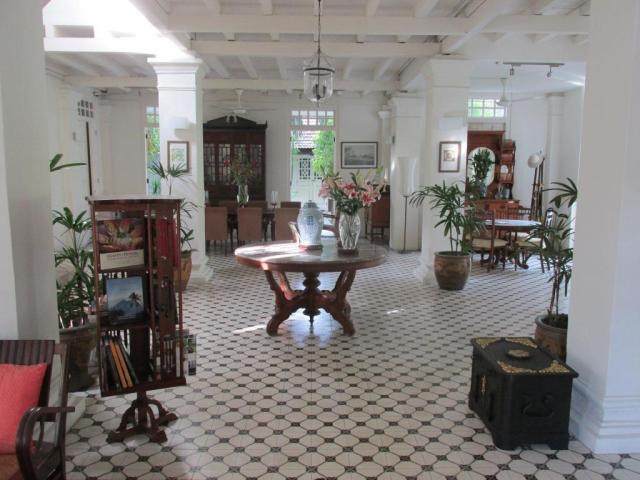
The building has been restored to its heritage style and opened as a boutique bed and breakfast residence. The interior has the beautiful black and white tiled floors of the period and showcases a collection of local antiques, artwork, and heritage furniture.

IMG_2371 - Copy

Breakfast can be had on the terrace overlooking the garden, the coffee is great and the omelets the staff prepare are the best I have ever tasted!

IMG_2363 - Copy

http://www.ianburnetbooks.com

← Back

Thank you for your response. ✨

Posted in Uncategorized | Tagged , , , , , | Leave a comment

Franklin Naik Pinisi

Franklin is a loveable tortoise character who gets involved in various adventures and in the process gives young Indonesian children access to reading as an early learning experience. There are both a yellow and green series for different age groups, but my untrained eyes could not see a lot of difference beteween them.

IMG_2256 - Copy

IMG_1655 - Copy

Thanks to funding from the Rotary Club of Northbridge and the co-operation of the Ganesha Bookshop, we were able to buy the complete stock of the books available in Bali – a total of 167 books. These were made up into 8 bundles to deliver to schools on the remote islands of the eastern archipelago and the photo above shows a typical collection of books to be delivered to a school library (and most times there is no school library).

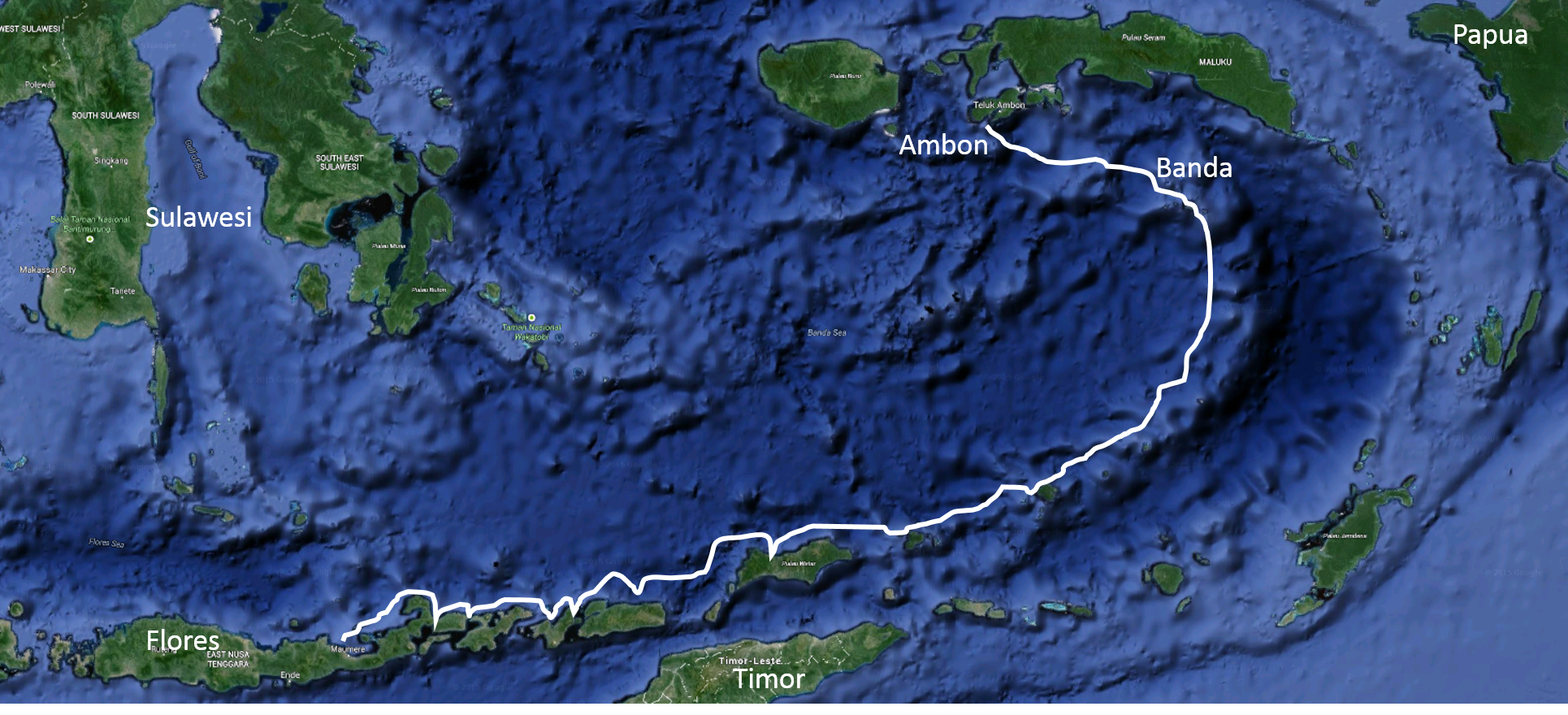
Maumere to Ambon

Maumere to Ambon

Thanks to Sea Trek Sailing Adventures we were able to load the books on the Ombak Putih before it left Bali for Maumere in Flores, where our voyage to Ambon in the Moluccas began. The Ombak Putih is a Bugis Pinisi. a classical Indonesian schooner, or in more nautical terms a gaff-rigged ketch fitted out for cruising with 12 luxury cabins. The image of our route shows some of the islands where we delivered books, such as Wetar, Romang, Damar, Banda, Run,Pisang and Hatta. Unfortunately we could not reach Nila after running into unseasonal high winds during the last two days of the yoyage.

The Ombak Putih

The Ombak Putih

One of the first schools to receive the books was on the island of Romang and here are photos of the formal presentation to the headmaster and staff in one of the classrooms. One of the delights of visiting Indonesian schools is that even in the poorest communities the parents take great pride in sending their children to school with big smiles and carefully pressed, clean school uniforms.

IMG_1704 - CopyIMG_1711 - CopyCongratulations to the headmaster and staff at this school because the children were highly discipined and after the presentation the pupils lined up in the school yard (in military fashion) for a lovely performance of songs on our behalf.

IMG_1694 - CopyThis same procedure occurred on many of the islands we visited and delivered books to the local schools. Banda Neira is one of the major towns in the region and actually has a town library filled with donated books. Here is a photo of some school children on Banda Island eagerly reading their new Franklin books after school hours.

IMG_1955 - CopyThe Ombak Putih will sail again to the eastern islands of Indonesia from September 15 to September 26, 2016. For more details go to the seatrek website:

http://seatrekbali.com/cruise/east-indies-spice-exploration-with-ian-burnett/#itinerary


ianburnetbooks.com

Posted in Uncategorized | Tagged , , , , , , | 2 Comments

The Whale Hunters of Lamalera

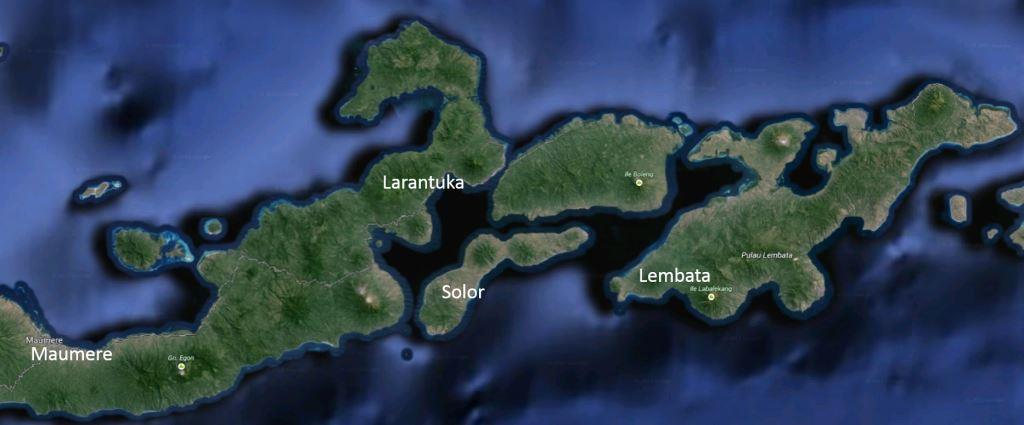
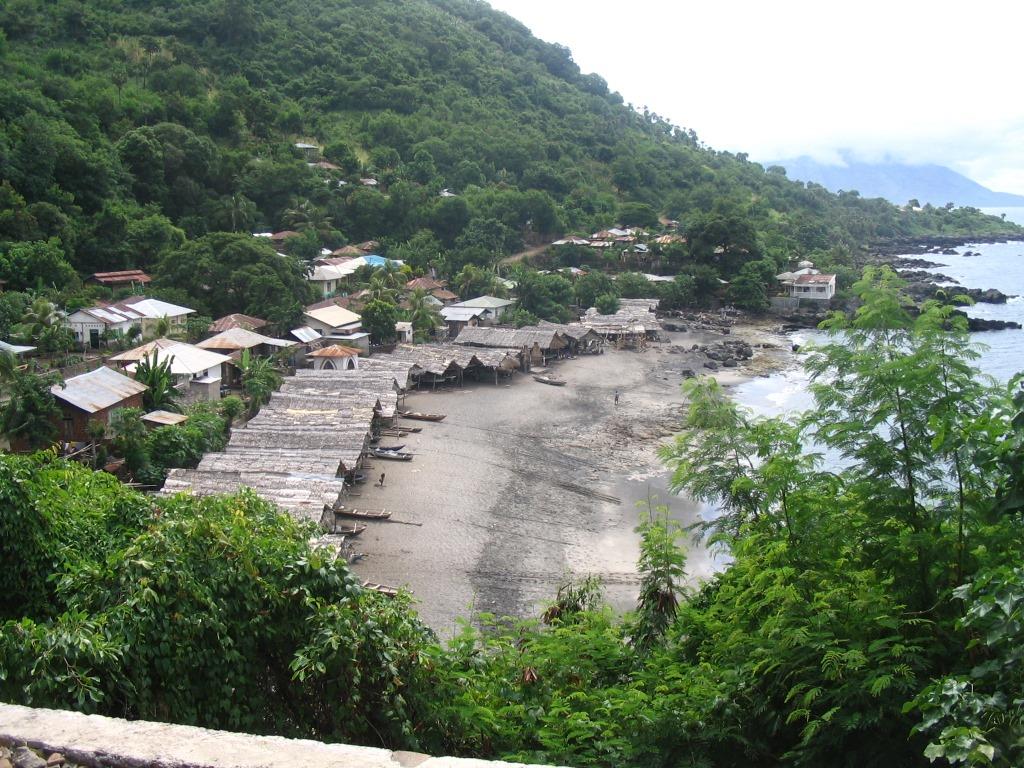
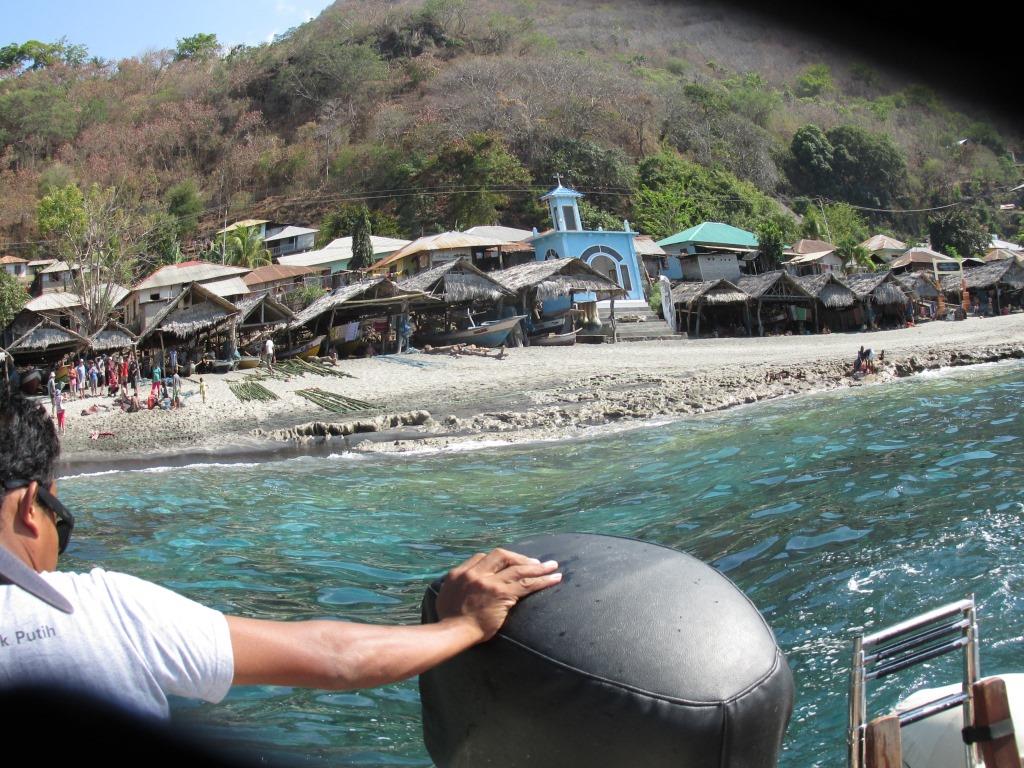
In eastern Indonesia the village of Lamalera on the south coast of Lembata Island and facing the Savu Sea, has carried out whaling for centuries. This is one of the few places in the world where people are still allowed to hunt whales, as long as they continue to only use traditional methods.

Maumere to Lembata - Copy

Lamalera 062 - CopyIt is the sperm whales that are hunted as they migrate between the Indian and Pacific Oceans through the Lembata Strait. An average of 20 whales are captured each year during the whaling season, but when we were there this year the whaling season had nearly finished and only 3 whales had been captured, so the fishermen were forced to hunt whale sharks, dolphins and manta ray to provide food for the village.

IMG_1445 - Copy

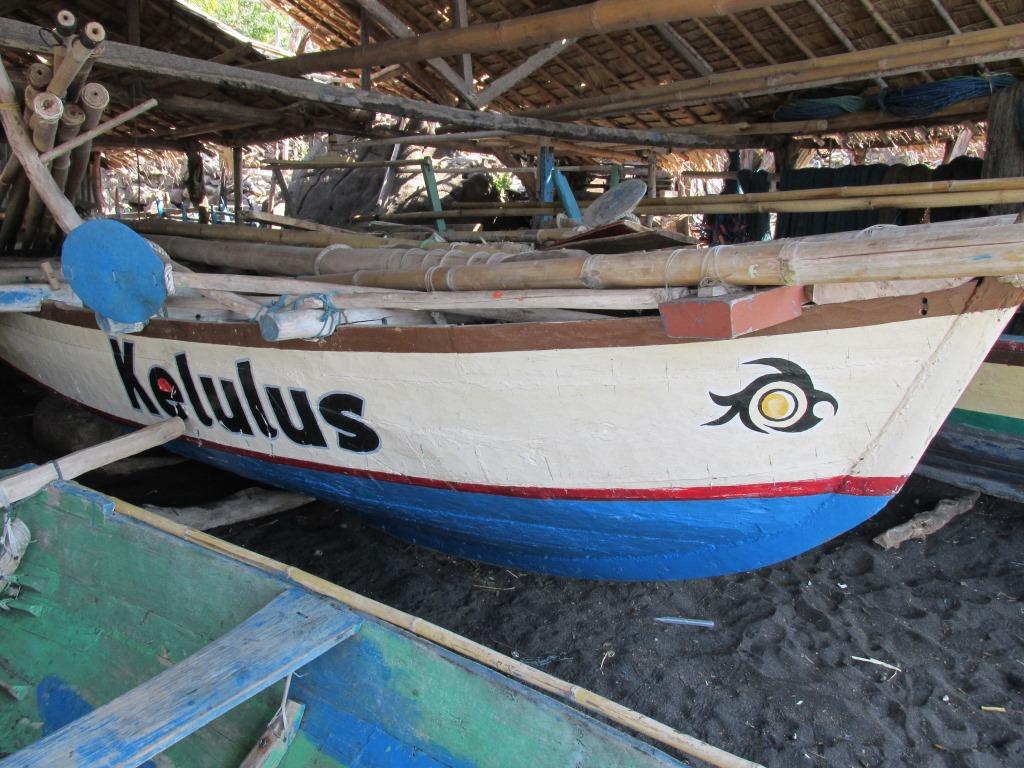
Each of the different clans in the village have their own traditional wooden whale boats housed along the beach and ready to go to sea whenever migrating whales are spotted from whale watching platforms high above the village. Each boat is decorated with the clan symbol and manned by a crew of 8-12, including an experienced harpooner.

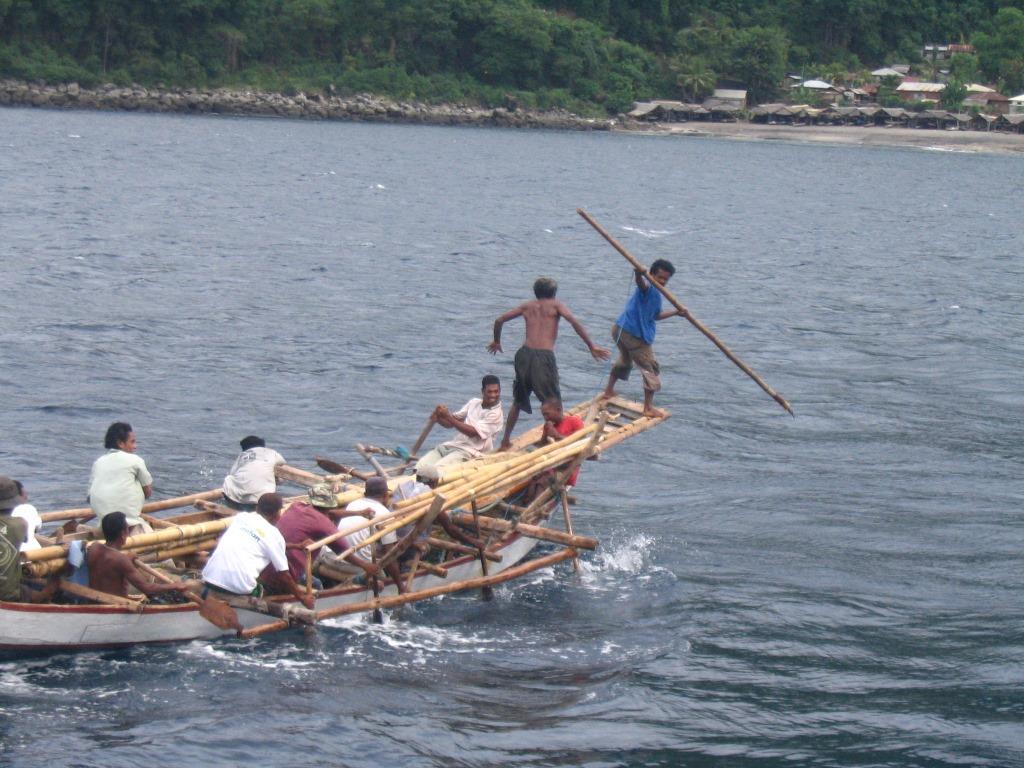
IMG_1491 - CopyThe hunt involves sailing close to the whale and then rowing furiously to close the gap. The harpooner then leaps onto the back of the whale and uses his body weight to embed the harpoon deep into its flesh. This is a dangerous occupation because sometimes people get hurt as arms and legs get entangled in the ropes, boats capsize as the speared whale dives deep, or the whale boat is towed far out to sea.

Lamalera 074 - CopyThe whale meat is cut up on the beach and then dried on racks. The villages use the whale meat for their own food and as a trade item with villages on other islands in the region.

The Ombak Putih will be sailing again to Lamalera and the other eastern Indonesian islands from September 15-26 in 2016. Please find the details at

http://www.seatrekbali.com/cruise/east-indies-spice-exploration-with-ian-burnett/#itinerary

Posted in Uncategorized | Tagged , , , , , , | 2 Comments

The Beautiful Banda Islands

The ‘East Indies Spice Exploration’ voyage on the Ombak Putih went well, sailing from Flores to Solor, Lembata, Alor, Wetar, Romang, Demar and some smaller islands before reaching the Banda Islands. The only problem was that we encountered some unseasonable rough seas during the last two days when crossing the Banda Sea.

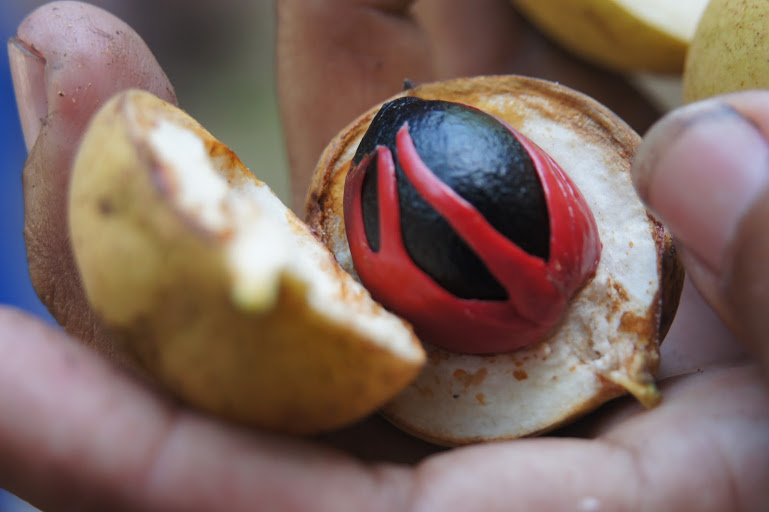
The fruit, the mace and the nutmeg

The fruit, the mace and the nutmeg

I am now enjoying some downtime on Banda Niera waiting for the Ombak Putih to return from Ambon with those passengers heading north towards Ternate on the Spice Routes Spice Wars leg of the next voyage.

IMG_1891

IMG_1878 - Copy

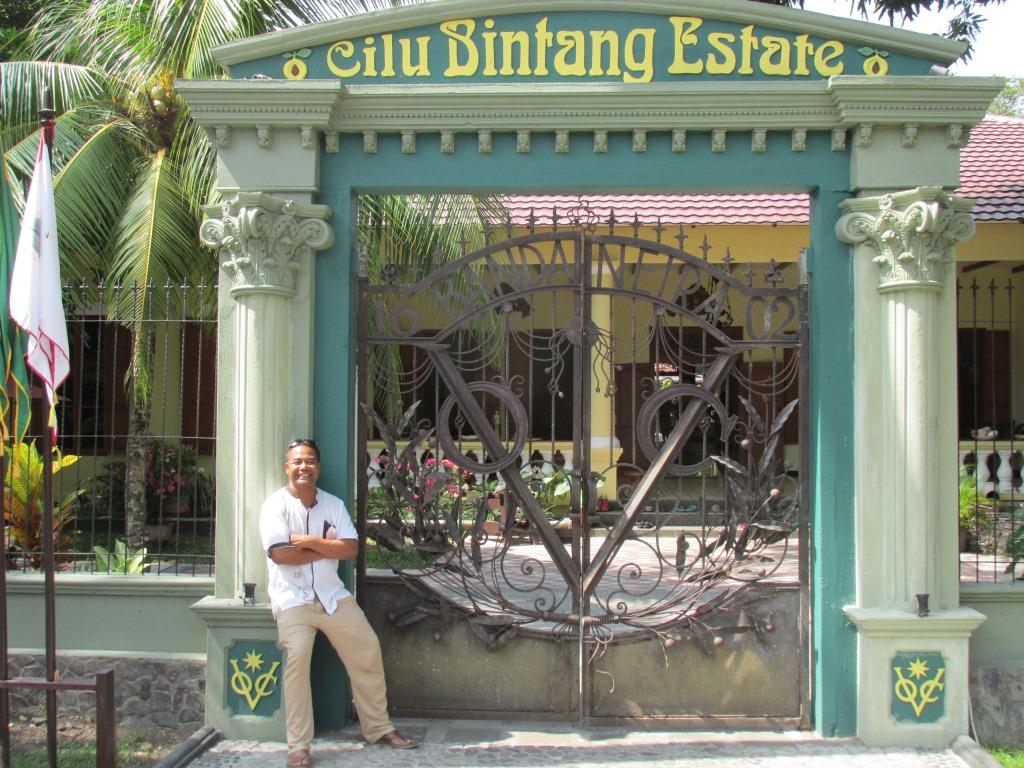
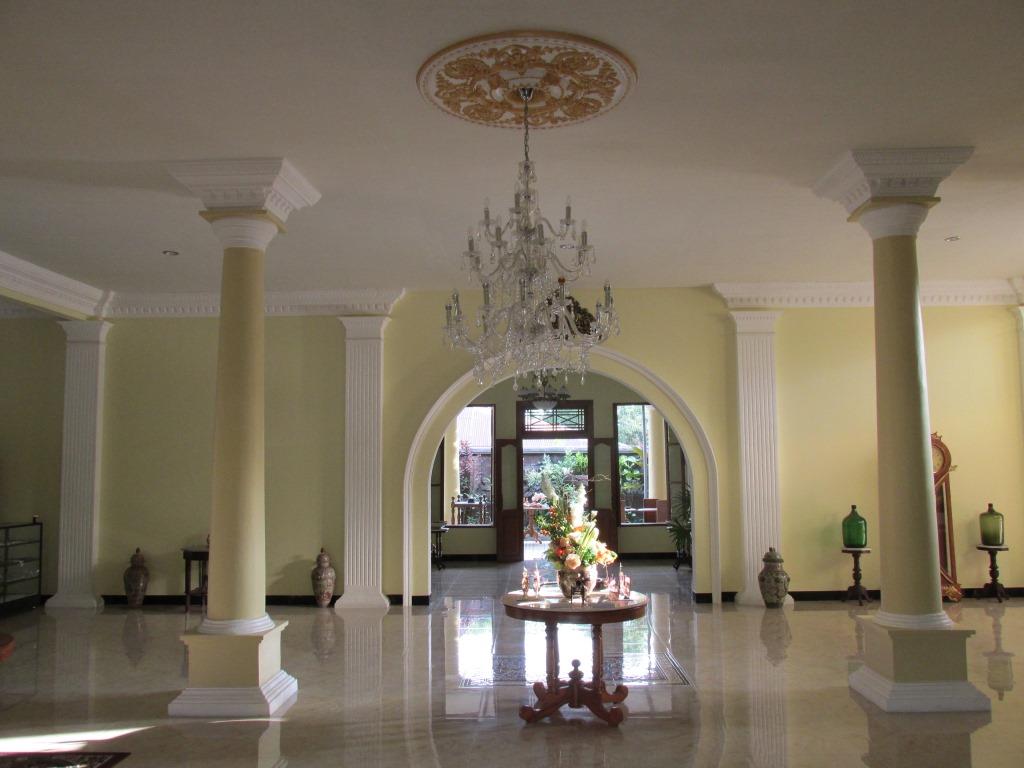
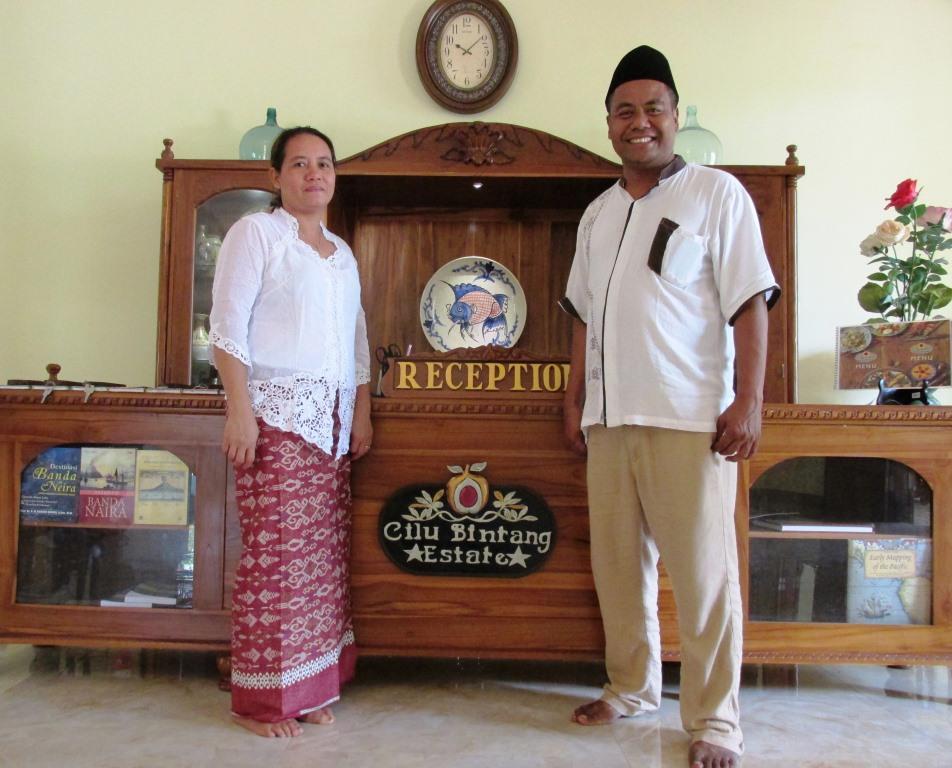
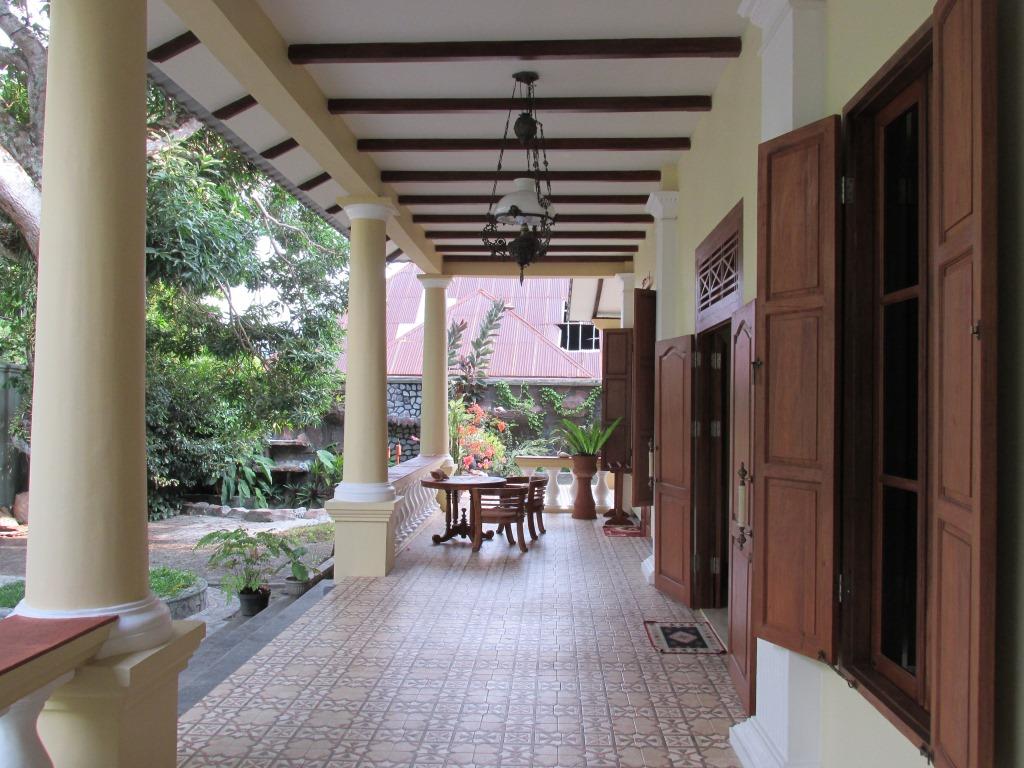
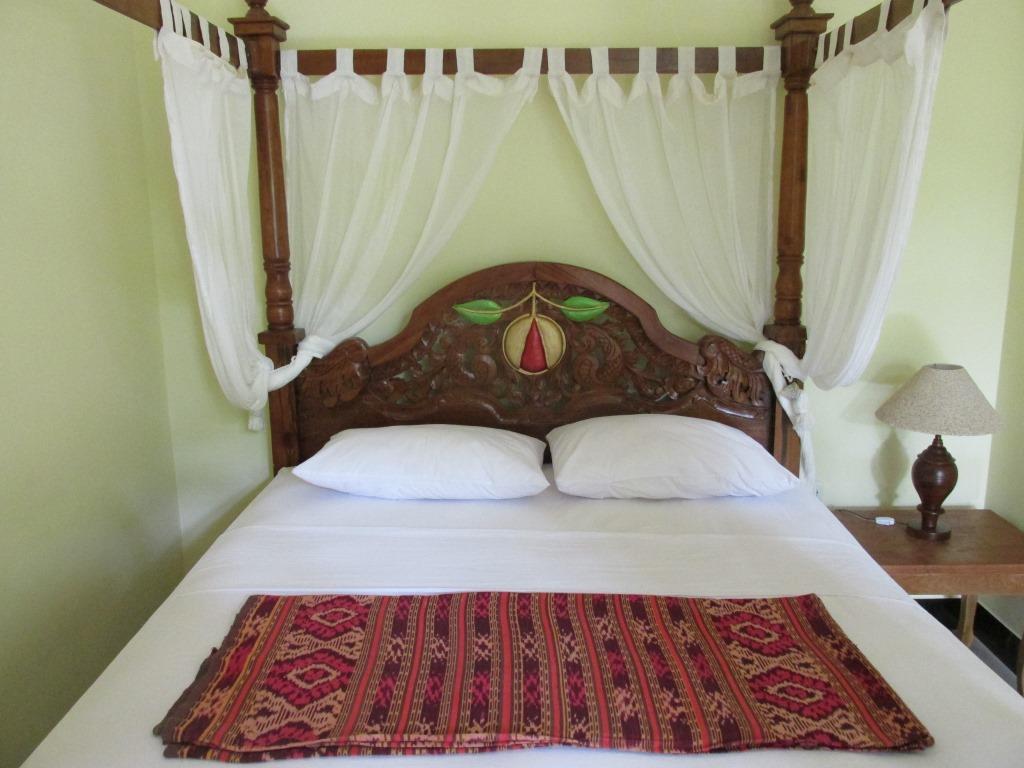
The latest (and greatest!) place to stay in Banda Neira is the Cilu Bintang Estate where your hosts Abba and Dilla Rizal will receive you in their new colonial Dutch style accomodation complete with four poster beds and walls decorated with memorabilia from the three hundred year Dutch (VOC) occupation of the island.

IMG_1905 - CopyThe nutmeg motif is apparent throughout the building which has 5 regular rooms, four luxury rooms and one luxury suite. I am staying in one of the regular rooms but it looks like a luxury room to me.

IMG_1877

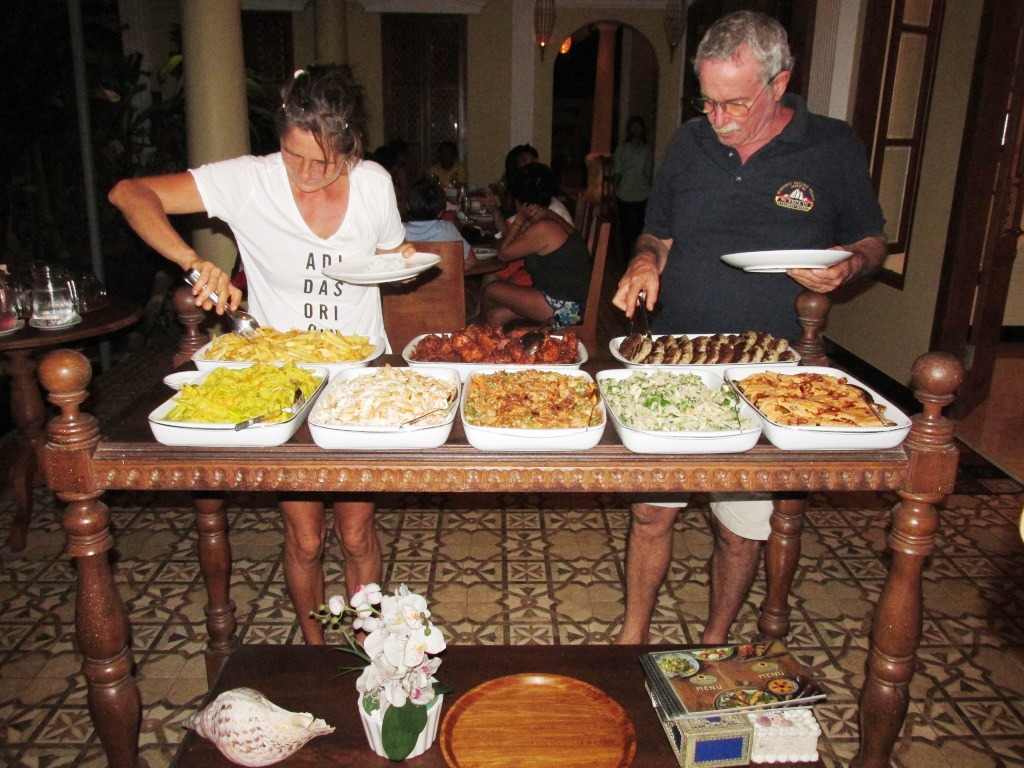
IMG_1962Ibu Dilla Rizal is considered to be on of the finest cooks on the island and excels in combining the flavours of nutmeg, cloves, cinnamon, asian almond and other exotic spices into her food. Guests flock from all over the island to enjoy her cooking which is usually served buffet style on the hotel terrace.

IMG_1982 - Copy

The legend of Cilu Bintang is that she was the youngest daughter of one of the chiefs on Banda. At that time Banda was often visited by people from the eastern islands toward Timor. One of the chiefs of these eastern islands fell in love with the beautiful Cilu Bintang and requested her hand in marriage. Her father had already tasted the flavour of the nutmeg which apparently grew on these eastern islands and requested a dowry of 99 nutmeg seedlings. Her brothers planted the nutmeg seedlings on the Banda islands where they soon flourished in its rich volcanic soils making Banda the primary source for the Indonesian and then Chinese, Indian and Arab traders who began transporting this exotic and aromatic spice halfway around the world. Because of the length of this journey and they number of hands they passed through while being traded across China, India and the Middle East, then what nutmegs remained when they reached Europe were considered to be worth their weight in gold.

No wonder that Portuguese, Spanish, Dutch and English traders began seeking their own routes to the Spice Islands and began the so-called European ‘Age of Discovery’.

For more details on the Cilu Bintang Estate please go to the website below:

http://www.cilubintang.com/main/


http://www.ianburnetbooks.com

Posted in Uncategorized | Tagged , , , , , , , , | 3 Comments

Flores – Larantuka and the ‘Larantuqueiros’

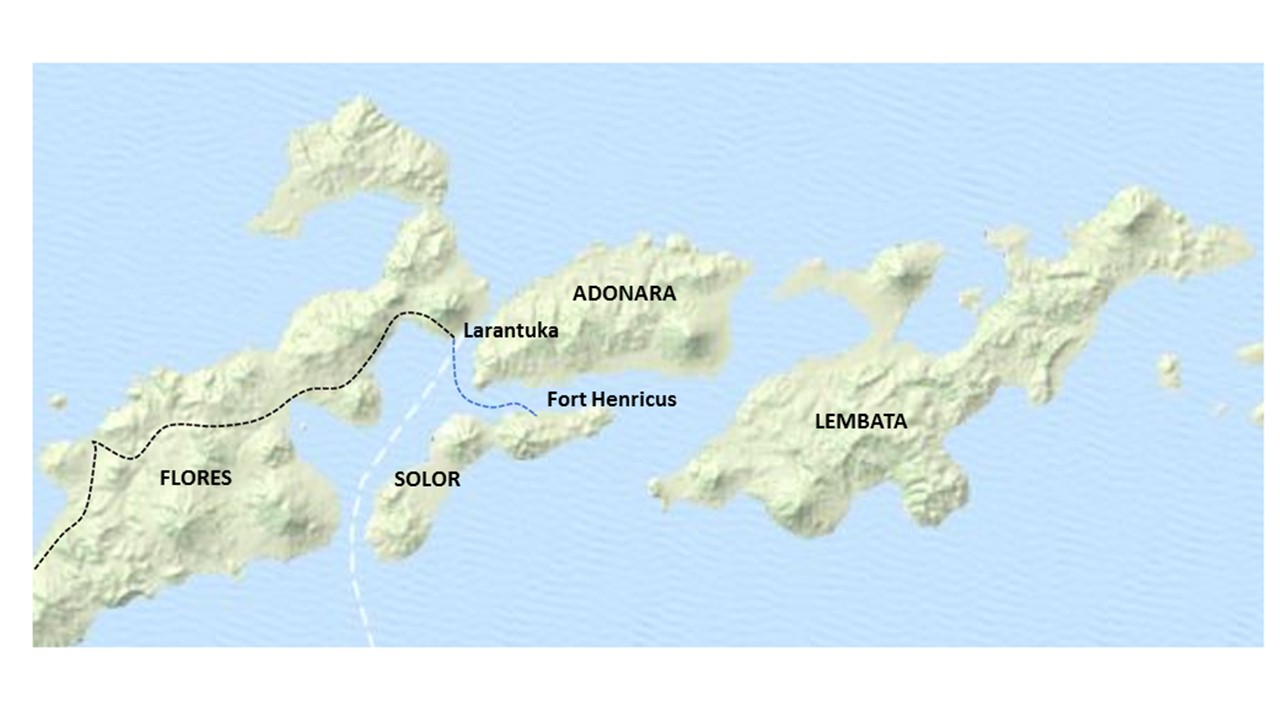
Larantuka Map

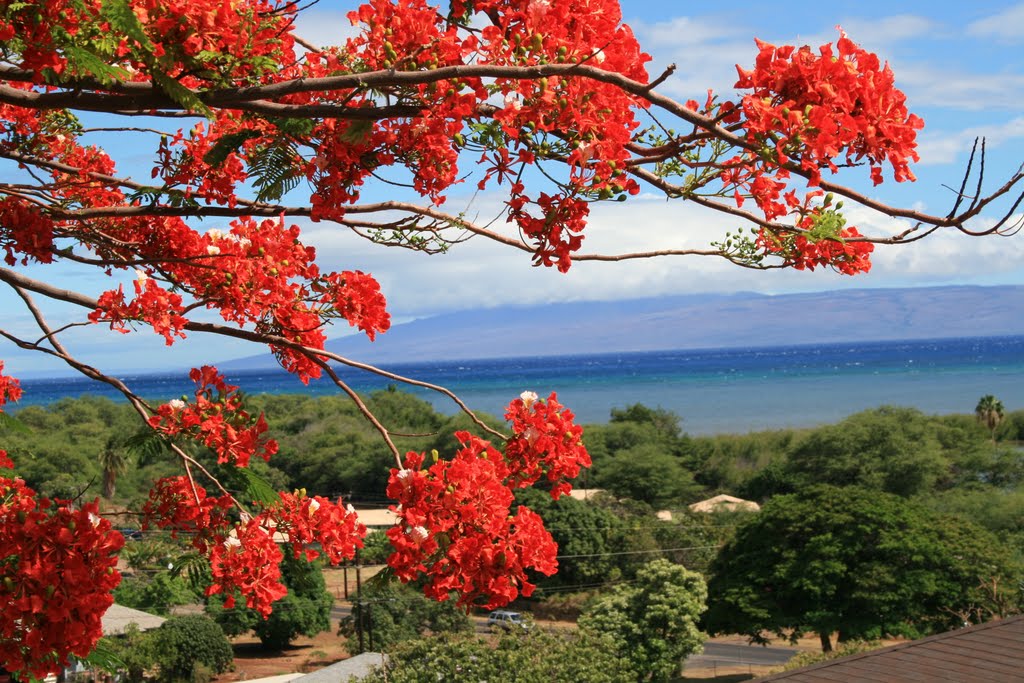
When the 1511 Portuguese expedition to the Spice Islands led by Antonio de Abreu reached the north-eastern end of Flores they found a promontory which was a landmark for ships sailing this coast. Known as Tanjung Bunga in Malay, the Portuguese called it Cabo de Flores or the Cape of Flowers. It was probably named after the flamboyan trees that grow in profusion along this peninsula, bare during the dry East Monsoon their branches burst into a blaze of scarlet blossoms before the rains are due and spread day by day until the trees are a mass of flaming glory.

Flamboyan

We approach Larantuka in the late afternoon and rain clouds are gathering around the volcano, Ile Mandiri which forms a backdrop to the town. Larantuka is an overgrown village situated on a narrow strip of land that lies precariously between the steep slopes of the volcano and the deep water of the Flores Strait. It was probably the combination of cool, clean water flowing from the mountain and a good deep-water anchorage that formed the basis for the original Portuguese settlement here. The Portuguese brought their religion with them and in the space of a few kilometres along the waterfront road I count five different Catholic churches as well as the twelve ‘Stations of the Cross’ in the public park on the waterfront.

0060 Larantuka

Opposite Larantuka is the island of Solor and it was in the dry, open, monsoon forests of Solor and Timor that sandalwood flourished. Dominican friars established a Christian Mission on the island of Solor in 1561, about the same time as Portuguese traders established themselves on the Macau Peninsula. As the Chinese were the main consumers of the aromatic sandalwood in the region, the Macanese traders opened up a direct route linking the city to the island of Solor which became the base for Portuguese traders dealing in sandalwood from Timor. This allowed the Portuguese to follow the dreams of the ancient European alchemists as they succeeded in converting iron into silver. Iron parangs or machetes could be traded in Timor for sandalwood, which was then traded in China for silk, which could then be traded in Japan for silver.

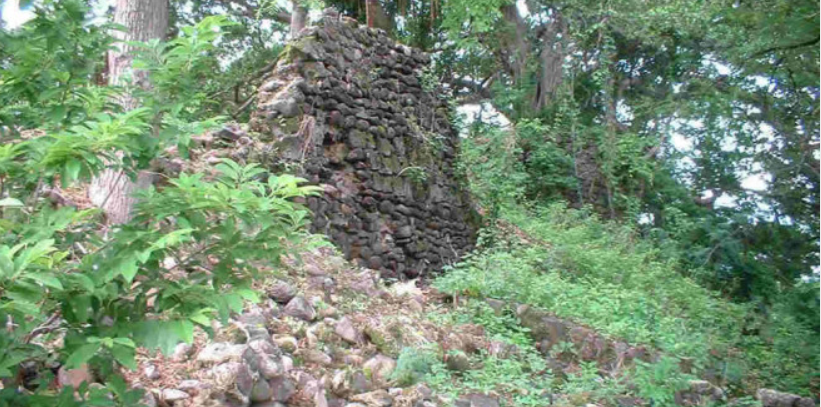
Remnants of Fort Henricus

Remnants of Fort Henricus

Larantuka became the base for independent traders sailing to Timor to collect sandalwood and attracted deserters from the Portuguese, the Dutch East India Company (VOC), Chinese smugglers and Eurasian cutthroats. These outcasts of the islands, and answerable only to themselves, were able to live in Larantuka with their native consorts free of any Crown or Compagnie control. They came to be called Larantuqueiros and could be variously described as free traders, freebooters, pirates, buccaneers, swashbucklers, corsairs or privateers.

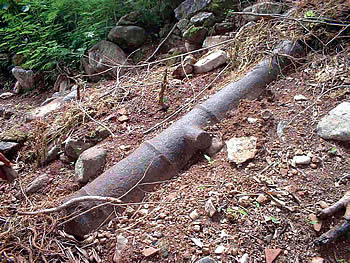
Gun-Lamakera-Solor-Island-Indonesia.-Author-and-Copyright-Mark-Schellekens-and-Greg-Wyncoll

Jan de Hornay, the Dutch commander of Fort Henricus on Solor after its capture from the Portuguese in 1614, began dealing in sandalwood for his own account. Suspected of corruption by the VOC he deserted to join the Larantuqueiros in Larantuka. Here he married a Timorese woman with whom he had three children, Sara, Antonio and Francisco. This mixture of Timorese and European blood later allowed his son Antonio to move easily between Larantuka and the Portuguese settlement at Lifau Bay (Oecusse) on Timor. For the next 200 years the Larantuqueiros were the dominant power in the eastern islands and allowing Antonio de Hornay to call himself the ‘Uncrowned King of Timor’ .

An excerpt from the book Archipelago – A Journey Across Indonesia by Ian Burnet
http://www.ianburnetbooks.com

Posted in Uncategorized | Tagged , , , , , , , , | Leave a comment

Book Review: Archipelago – A Journey Across Indonesia

Indonesia Institute

Book Review: Archipelago – A Journey Across Indonesia, by Ian Burnet

rosenberg_archipelago_coverimage2

This beautifully illustrated and informative book takes the reader on a journey both through the landscape of Indonesia and also back through Indonesia’s past. It weaves a spellbinding experience that will take many of us through memories of past trips many of us have taken and will also entice us to explore parts of Indonesia where we have not yet ventured.

Ian Burnet, a geologist by trade, first came to Indonesia to work in 1968 and has maintained a life-long association with the country. The book chronicles his recent fulfilment of a life-long ambition to cross the archipelago and to tell its (hi)story. His long-term interest in eastern Indonesia resulted in his 2011 book, Spice Islands, and is the background to the boat trips he organises to Indonesia’s eastern islands (www.ianburnetbooks.com).

It was of course the spices found in Indonesia’s eastern islands that were the magnet that for over a thousand years drew the world’s attention to the archipelago. Spices, were more valuable by weight than silver or gold, and brought Indian, Chinese, and later Portuguese, English and Dutch traders to seek their fortune through pillage and trade. In so doing they brought to Indonesia the world’s cultures and religions (Buddhism, Hinduism, Islam and Christianity) to Indonesia where they transformed Indonesia into its current cultural and religious mosaic.

This is the tale that Ian skilfully tells. He begins his journey in the Malacca Strait, that important waterway that linked India to China . He then travels across Java where the Indianized historical feudal kingdom’s arose and created the wonderful temples of Borobudur and Prambanan, only later to succumb to Islamic trade and then European colonisation. He then crosses to Bali where Hinduism held out against Islam before eventually also being colonised by the Dutch.

His trip then takes him through Indonesia’s Nusa Tenggara islands with the fabulous komodo lizards and neglected cultural enclaves, the home of fabulous woven ikat. His journey ends in East Timor which had a similar history to Indonesia in terms of long European colonisation that was only brought to an end by revolutionary struggle, a story he relates in compassionate detail.

His journey is told through personal anecdotes that link directly to historical observations and insight, accompanied on virtually every page by often stunning photos taken by him en route.

This is a book that will delight, entice and inform both newcomers to Indonesia and old hands alike.

Ron Witton

Austinmer, NSW

Ron was an Honorary Principal Fellow in the Faculty of Law at the University of Wollongong , NSW, Australia

http://www.ourindonesiatoday.blogspot.com.au

http://www.ianburnetbooks.com

Posted in Uncategorized | Tagged , , , , , | Leave a comment

Archipelago – Book Talk at the SMSA

Ian Burnet – Archipelago

Mitchell Theatre, SMSA Sydney, 280 Pitt Street

Tuesday 8 September 2015, 12:30 – 1:30

ian-burnet-archipelago

Ian Burnet explores the most culturally diverse nation on earth, Indonesia, which comprises as many as 17,000 islands.

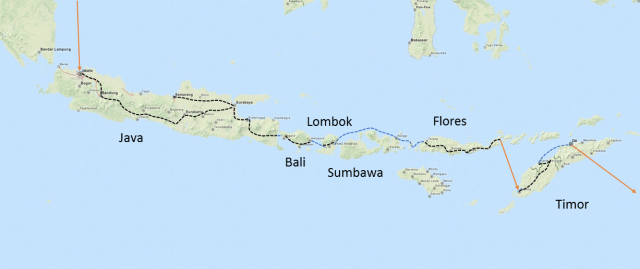
Travelling by bus, plane, train,ferry, boat, car and motorcycle from Java to Timor, he hops from island to island across the Indonesian archipelago, following the smoking volcanoes that form its spine.

Burnet describes how the early Malay people came to these islands and how Indonesia’s extraordinary mixture of races, religions. languages and cultures developed through the spice trade with the Indians, Chinese and Arabs, then with the Europeans, particularly the early Portuguese traders.

With Burnet’s love of adventure and travel, and his knowledge of history, this talk is guaranteed to delight.
Archipelago - A Journey Across Indonesia

Archipelago – A Journey Across Indon

Book Review by Dr. Ron Witten for Indonesia Today

This beautifully illustrated and informative book takes the reader on a journey both through the landscape of Indonesia and also back through Indonesia’s past. It weaves a spellbinding experience that will take many of us through memories of past trips we have taken and will also entice us to explore parts of Indonesia where we have not yet ventured.
Ian Burnet, a geologist by trade, first came to Indonesia to work in 1968 and has maintained a life-long association with the country. The book chronicles his recent fulfilment of a life-long ambition to cross the archipelago and to tell its (hi)story. His long-term interest in eastern Indonesia resulted in his 2011 book, Spice Islands, and is the background to the boat trips he organises to Indonesia’s eastern islands (www.ianburnetbooks.com ).
It was of course the spices found in Indonesia’s eastern islands that were the magnet that for over a thousand years drew the world’s attention to the archipelago. Spices, were more valuable by weight than silver or gold, and brought Indian, Chinese, and later Portuguese, English and Dutch traders to seek their fortune through pillage and trade. In so doing they brought to Indonesia the world’s cultures and religions (Buddhism, Hinduism, Islam and Christianity) to Indonesia where they transformed Indonesia into its current cultural and religious mosaic.
This is the tale that Ian skilfully tells. He begins his journey in the Malacca Strait, that important waterway that linked India to China . He then travels across Java where the Indianized historical feudal kingdom’s arose and created the wonderful temples of Borobudur and Prambanan, only later to succumb to Islamic trade and then European colonisation. He then crosses to Bali where Hinduism held out against Islam before eventually also being colonised by the Dutch.
His trip then takes him through Indonesia’s Nusa Tenggara islands with the fabulous komodo lizards and neglected cultural enclaves, the home of fabulous woven ikat. His journey ends in East Timor which had a similar history to Indonesia in terms of long European colonisation that was only brought to an end by revolutionary struggle, a story he relates in compassionate detail.
His journey is told through personal anecdotes that link directly to historical observations and insight, accompanied on virtually every page by often stunning photos taken by him en route.
This is a book that will delight, entice and inform both newcomers to Indonesia and old hands alike.

Posted in Uncategorized | Tagged , , , , , , , , | Leave a comment

The Greatest Monument in the World – Borobodur

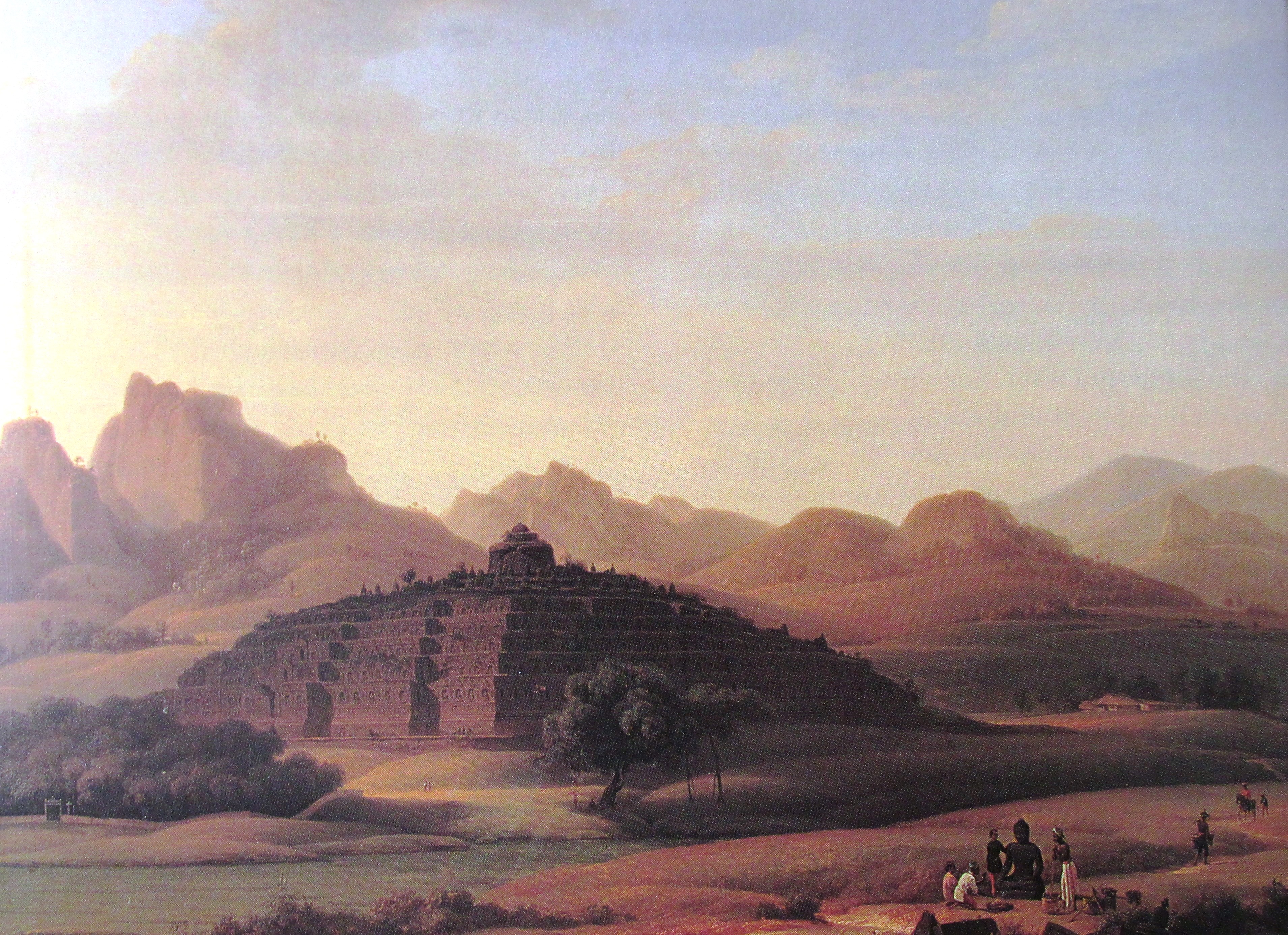
View of Borobodur, Antoine Payen, 1835

View of Borobodur, Antoine Payen, 1835

It was Sir Stamford Raffles who receives credit for ‘rediscovering’ Borobodur during the period of British rule in Java from 1811-1816 and information about this monumental work of art came as a great surprise to the outside world. After being cleared of the jungle that had hidden its secrets for a centuries, Raffles writes in his book ‘The History of Java’ of his experience when first viewing the Borobodur:

No description in writing can convey the amount of work that has gone into this immense monument and the detail of its story carved in stone. Its grandeur is too vast and overwhelming, and it compares to no other monument in the world … The amount of human labour and skill expended on the Great Pyramids of Egypt sinks into insignificance when compared to that required to complete this sculptured hill temple in the interior of Java.

I agree that Borobodur is the greatest monument in the world and I am astounded that an internet search will list the pyramids amongst the top ten historic monuments and yet not include Borobodur. There is even a recent television documentary entitled ‘Seven Wonders of the Buddhist World’, that does not include the Borobodur Monument.

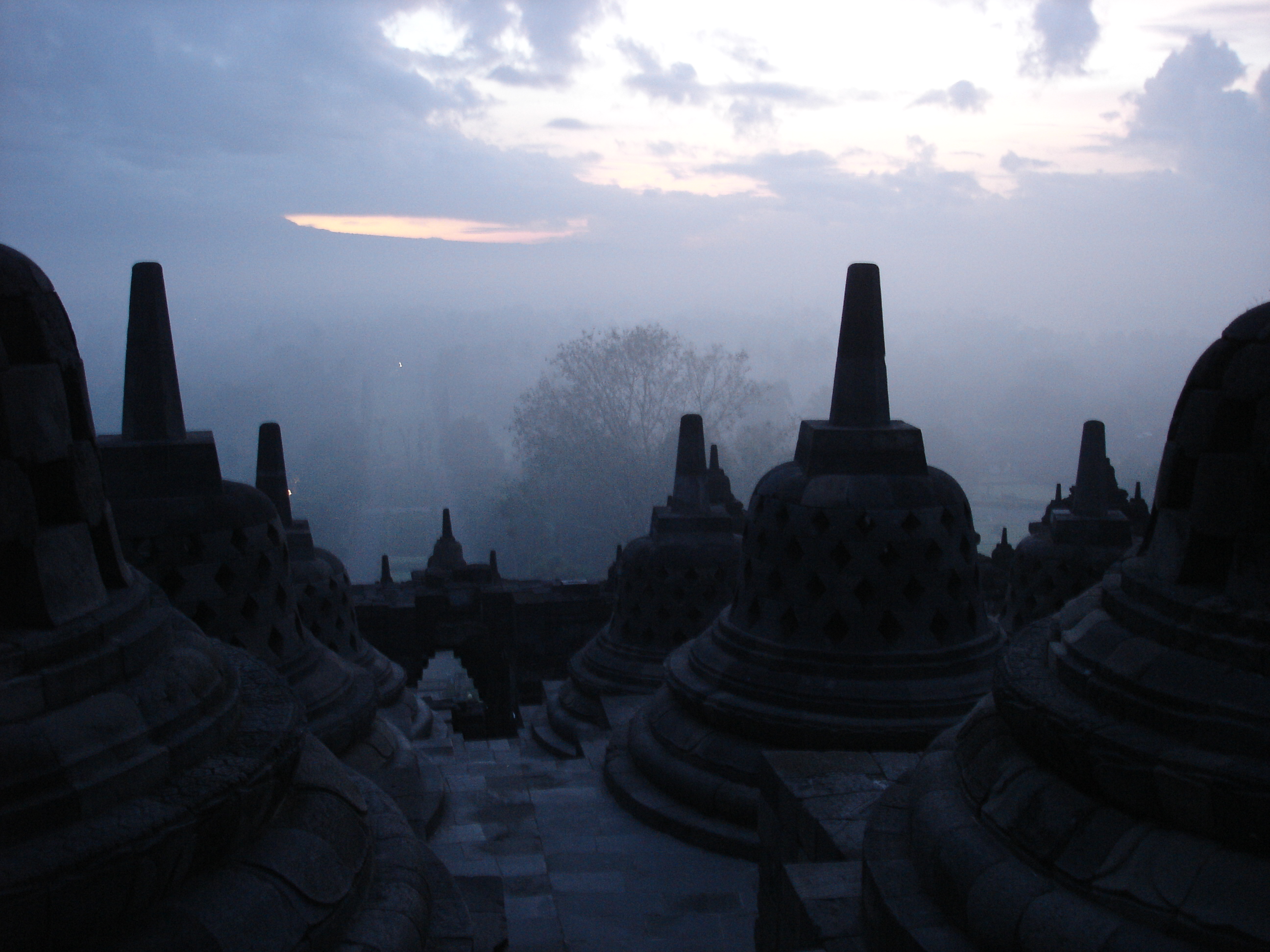
The Borobodur Monument

The Borobodur Monument

I hope to reach some level of spiritual enlightenment by joining a dozen other dedicated pilgrims at 5am to experience the sunrise from the top of Borobodur. The night is black and silent as we enter the great monument and the moonlight casts mystical shadows around the temple. Protecting us from these shadows our torches light the way as we climb directly up the stairs that lead to the top of the monument. I stop to rest at one of the carved gateways that lead from one level to the next and my torch reveals above the gateway, the fearsome features of a Kala Head. In Javanese mythology Batara Kala is the god of death or destruction and I remember this warning as I climb to the upper terraces.

Knowing that the sun has risen over Borobodur for more than a thousand years is awe-inspiring. I assume the same position as the 72 Buddha’s on the uppermost terraces, legs crossed, hands posed, waiting in silent contemplation for the dawning of the new day. Slowly, very slowly, the black of the night is replaced by a deep blue light. I have never experienced this light before and it seems to last for a long time before slowly changing to a sky blue and then an early morning grey daylight. Soon the red disc of the sun appears revealing the blue profiles of the surrounding volcanoes, the blue grey of the distant hills, the dark green of the forests high on the hillsides, the bright green of the terraced rice fields, and the white morning mist that fills the lowest parts of the valleys.

The first light of dawn over Borobodur

The first light of dawn over Borobodur

An excerpt from Archipelago – A Journey Across Indonesia to be published September 1.

rosenberg_archipelago_coverimage2

Indonesia is the world’s largest archipelago nation comprising as many as 17,000 islands spread over the same distance as Los Angeles to New York, or Perth to Sydney. Indonesia is also the most culturally diverse nation on the planet and its national motto had to be ‘Unity in Diversity’ as these islands are an extraordinary mixture of races, religions, languages and cultures.
Ian Burnet sets out on a journey across the archipelago to discover this rich cultural diversity. He describes how the early Malay people came to these islands and the influence of the Indian religions of Hinduism and Buddhism on the islands of Sumatra, Java and Bali. He discovers the heritage of the Indians, Chinese and Arabs who came here to trade in spices and sandalwood, he follows the rise of Islam and the traces of the first Europeans to enter Asia – particularly the early Portuguese traders and the priests who brought Christianity to these lands.
Travelling by bus, plane, train, ferry, boat, car and motorcycle from Java to Timor, he hops from island to island across the Indonesian archipelago, following the smoking volcanoes that form its spine.
Ian Burnet combines his love of adventure and travel with his knowledge of history to take us on a personal journey through geographic space and historical time, which will delight all armchair travellers.

Archipelago - A Journey Across Indonesia

Archipelago – A Journey Across Indonesia


http://www.ianburnetbooks.com


Posted in Uncategorized | 3 Comments

The Jakarta – Bandung Railway

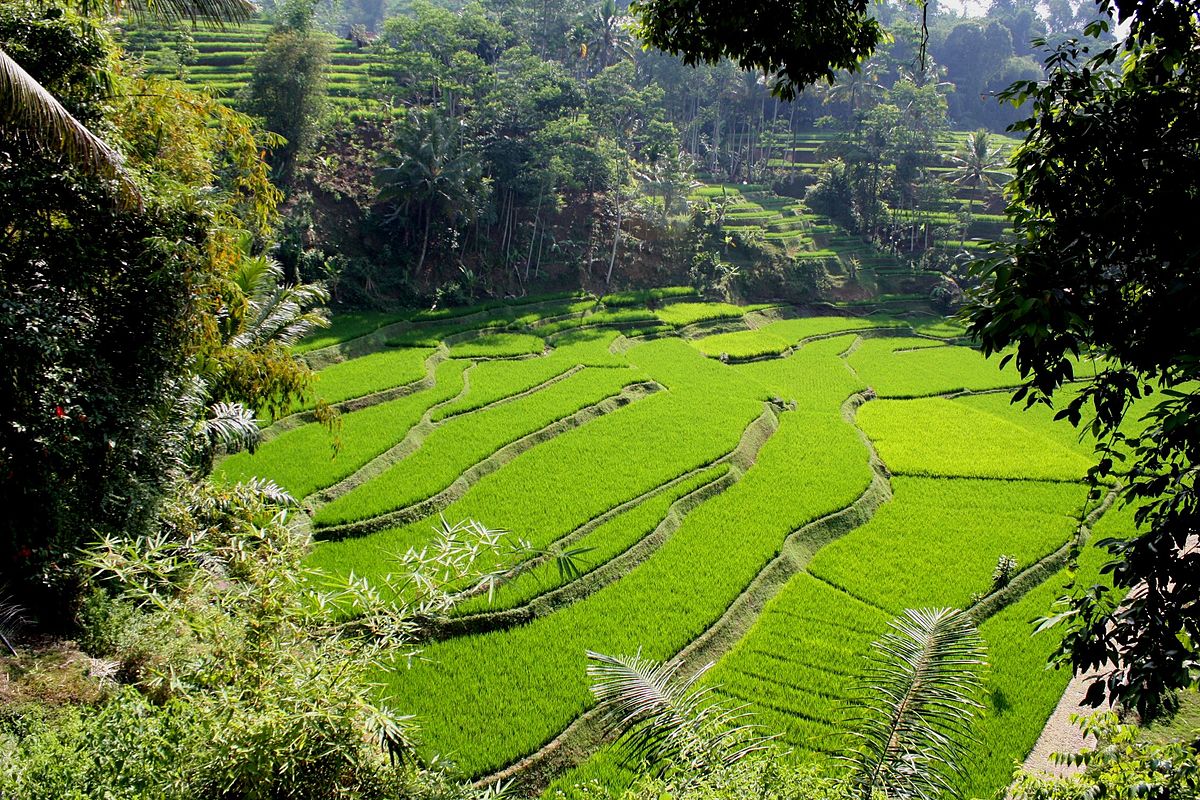
I have always considered the Jakarta – Bandung railway to be one of the great railway journeys of the world. The line follows the northern coastal plains until turning south near Cikampek when our train slows to a crawl as we grind our way up the first hill of the more than 700 metre climb to the city of Bandung. The railway crosses numerous viaducts and bridges as it winds its way upward through the rich cultivated lands of West Java. Continuously fertilized by ash from numerous volcanic eruptions this is some of the richest arable land in the world and these terraced rice fields produce three rice crops a year, a productivity which is unheard of in other parts of the world.

From the comfort of my seat I watch a ‘documentary’ of life on Java unfold. There are vast vistas of terraced rice fields, backed by distant lakes and rugged limestone mountains jutting skyward. The harvest has been completed and most of the rice fields are flooded with water in preparation for the next planting. Before me is a panorama of tiny terraced lakes separated by dark ridges of mud, each lake a mirror reflecting the sky as the rice terraces descend into the valley below. Peasants, men and women, clad in colourful batik sarongs and the conical straw hats typical of South East Asia work the fields, re-planting the bright green seedlings from their patch in the corner of the rice field into long wavering rows. Modern hand held tractors can be seen ploughing some of the fields. Have the water buffalo formerly used to plough the fields already been retired and turned into bifstek?

West Java Panorama

West Java Panorama

As we get higher into the mountains the rice fields are now confined to the floors of narrow valleys. Here the rice terraces appear to have been sculpted out of the earth, not by peasant farmers, but by an environmental artist trying to demonstrate on a grand scale the harmony of man and nature. Hillside slopes unsuitable for rice terraces have been cleared to grow cassava or bananas, and the land in between grows every conceivable type of fruit or vegetable found in this ‘Garden of Eden’. Around the villages, huge groves of bamboo bend and rustle in the wind, providing shelter, shade and a ready building material for the village houses still framed out of bamboo and with split bamboo matting for their walls.

West Java rice terraces

West Java rice terraces

When first opened in 1906 this track was an engineering masterpiece crossing 300 viaducts and bridges, including a 300 metre long bridge spanning a mountain ravine and a trestle bridge standing 100 meters above the Cisomang River. This trestle bridge now stands next to the new arched bridge that has been built to replace it, but looking down from the train into the white water below is still an awesome experience. At times the railway clings to a narrow track cut out of a rocky cliff and looking ahead I can see the front of the train curving around the next valley. We cross a deep ravine and look down to the torrent below, then we are plunged into the darkness of a 1000 metre long tunnel cut through a mountain.
The track is single narrow gauge which is doubled in places for trains to pass and we stop at least once for an oncoming train. On another occasion I can see an oncoming train across the valley and anxiously wait for our train to pull over and stop. This doesn’t happen and I am seriously afraid of becoming part of tomorrow’s headlines, but to my relief the oncoming train flashes past, and thankfully we were already on a double track.

The Cisomang Trestle Bridge from the early 1900's

The Cisomang Trestle Bridge from the early 1900’s

The above is an excerpt from Archipelago – A Journey Across Indonesia to be published September 1.

rosenberg_archipelago_coverimage2

Indonesia is the world’s largest archipelago nation comprising as many as 17,000 islands spread over the same distance as Los Angeles to New York, or Perth to Sydney. Indonesia is also the most culturally diverse nation on the planet and its national motto had to be ‘Unity in Diversity’ as these islands are an extraordinary mixture of races, religions, languages and cultures.
Ian Burnet sets out on a journey across the archipelago to discover this rich cultural diversity. He describes how the early Malay people came to these islands and the influence of the Indian religions of Hinduism and Buddhism on the islands of Sumatra, Java and Bali. He discovers the heritage of the Indians, Chinese and Arabs who came here to trade in spices and sandalwood, he follows the rise of Islam and the traces of the first Europeans to enter Asia – particularly the early Portuguese traders and the priests who brought Christianity to these lands.
Travelling by bus, plane, train, ferry, boat, car and motorcycle from Java to Timor, he hops from island to island across the Indonesian archipelago, following the smoking volcanoes that form its spine.
Ian Burnet combines his love of adventure and travel with his knowledge of history to take us on a personal journey through geographic space and historical time, which will delight all armchair travelers.

Archipelago - A Journey Across Indonesia

Archipelago – A Journey Across Indonesia


http://www.ianburnetbooks.com

← Back

Thank you for your response. ✨


Posted in Uncategorized | Tagged , , , , , , , | 2 Comments